
For residential driveways, wait at least 48 to 72 hours before driving on new asphalt. For resurfaced asphalt or sealcoating, you can typically drive on it after 24 to 48 hours. Full curing takes up to six to twelve months. However, waiting 3 to 5 days is even safer, especially in warm weather. For heavy vehicles like trucks, RVs, or construction equipment, wait at least 14 days. Freshly sealcoated asphalt needs less time, usually 24 to 48 hours depending on temperature and weather.
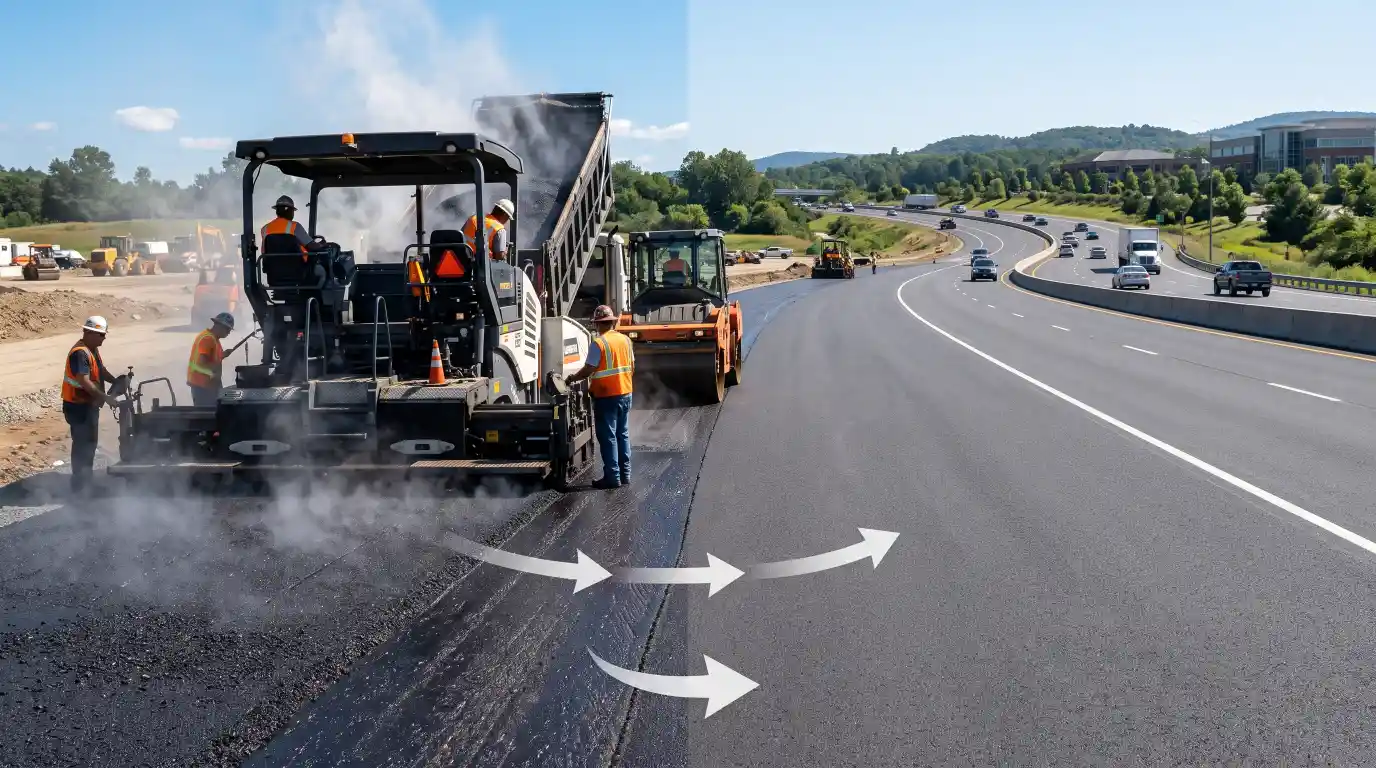
Roads and highways often open to traffic much sooner than private driveways because they use different mixes and are built for heavier loads from the start. The bottom line is that the longer you wait, the better. Asphalt may feel solid on the surface within a day, but it continues to harden and strengthen for up to a full year after installation. If you’re looking for expert asphalt paving or driveway installation services in Colorado Springs our team is here to help you.
What Is the Difference Between Asphalt Drying and Asphalt Curing?
When asphalt is freshly laid, it comes off the paving machine at temperatures between 275 and 325 degrees Fahrenheit. At this temperature, it is extremely soft and easy to damage. As it cools down, it begins to firm up and becomes walkable and eventually driveable. This initial cooling phase is what most people think of as drying, but it is only the beginning of the process.
Drying and curing are two very different things. Drying refers to the surface cooling down enough to handle basic use. This happens relatively quickly, usually within 24 to 72 hours depending on the weather. Curing is a much longer process. It refers to the asphalt fully hardening and reaching its maximum strength as the oils and binders within the mix slowly evaporate and stabilize. Full curing takes anywhere from 6 months to a full year.
How Long Before You Can Drive on Fresh Asphalt?
For a standard passenger car or SUV, waiting 24 to 48 hours is the absolute minimum. Most contractors recommend waiting a full 3 to 5 days if possible, especially during summer when heat slows the hardening process. In cooler weather, 24 hours is usually sufficient for light vehicles.
Trucks, RVs, and Heavy Vehicles
Heavy vehicles put significantly more pressure on the surface and can cause deep ruts and permanent deformation in fresh asphalt. For pickup trucks, delivery vans, and RVs, wait at least 14 days. For commercial trucks, construction vehicles, or anything with dual rear wheels, wait a minimum of 30 days.
Residential Driveways
Residential driveways are typically thinner than roads and carry lighter loads, but the waiting time is actually longer because the mix is not designed for immediate heavy use. Wait at least 2 to 3 days before parking your car and up to 2 weeks before allowing heavy vehicles onto the surface.
Public Roads and Highways
Roads and highways often open to traffic within hours of paving. This is because road-grade asphalt uses different mix designs and additives that allow faster cooling and earlier use. Roads are also much thicker and built on engineered base layers designed to distribute weight. Do not assume that because a road opened quickly, your driveway will behave the same way.
Freshly Sealcoated Asphalt
If your existing asphalt was recently sealcoated rather than fully repaved, the waiting time is shorter. Most sealcoating products require 24 to 48 hours of drying time before vehicle traffic is allowed. Some fast-dry formulas can be ready in as little as 12 hours, but always check with your contractor before driving on a freshly sealed surface.
Can You Walk on Fresh Asphalt?
Walking on fresh asphalt is much less damaging than driving on it because the weight is spread across a larger surface area and applied more gently. In most cases, you can walk on new asphalt within 2 to 4 hours of installation, once it has cooled enough that it no longer sticks to your shoes.
The key difference is pressure. A person weighing 150 pounds spreads that weight across two feet, while even a small car concentrates thousands of pounds through four small tire contact patches. This concentrated pressure is what causes ruts, marks, and surface deformation. Walking creates much less risk, though you should still avoid wearing heels or dragging sharp objects across fresh asphalt.
What Happens If You Drive on New Asphalt Too Soon?
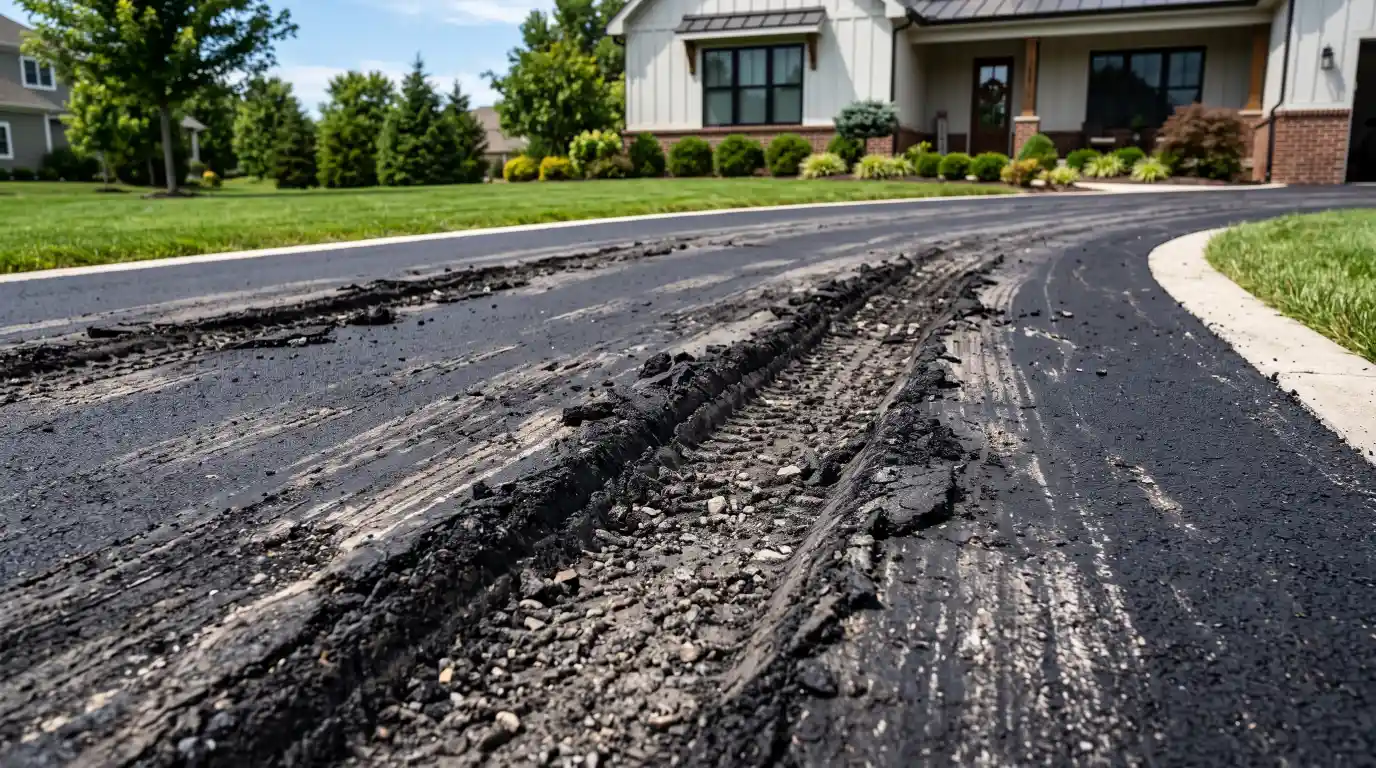
The most immediate and visible sign of driving too early is tire impressions. These appear as shallow depressions in the surface that follow the path of your tires. On driveways, you will often see a permanent pattern where the tires consistently track across the same path.
Cracks and Surface Deformation
Under heavier loads or repeated traffic before the asphalt has cured, the surface can crack or deform. Small cracks may seem minor at first but they expand with temperature changes and water intrusion. Surface deformation, where the asphalt dips or waves, is a structural problem that usually requires patching or full replacement to fix properly.
Long-Term Structural Problems
If heavy vehicles drive on uncured asphalt repeatedly, the base layer can be compromised. Once the base is damaged, the entire surface becomes unstable. You may notice areas that feel spongy underfoot, standing water that does not drain properly, or cracks that keep reappearing even after patching.
How Long Does Asphalt Take to Cure Fully?
|
Time After Installation |
What to Expect |
|
30 Days |
Asphalt has completed its initial hardening phase and can handle normal residential traffic, but it remains vulnerable to heavy vehicles and extreme heat. |
|
90 Days |
Asphalt reaches about 70–80% of its final strength. Most vehicles, including pickup trucks, can use it safely, though prolonged heavy loads should still be avoided. |
|
6 Months |
The pavement is close to full strength and performs near its maximum capacity. Many contractors recommend applying the first sealcoat around this time. |
|
1 Year |
Asphalt is fully cured and has reached its maximum hardness and durability. Normal use and routine maintenance can begin for long-term performance. |
Factors That Affect How Long Asphalt Takes to Dry
Temperature is the single biggest factor in how quickly asphalt hardens. In cool weather below 60 degrees Fahrenheit, asphalt cools and firms up quickly. In hot weather above 90 degrees, the surface stays soft much longer because the heat slows the release of oils from the binder.
Humidity Levels
High humidity slows the evaporation of the volatile compounds in the asphalt binder, which extends the curing time. If you live in a humid climate or your driveway was installed during a humid stretch of weather, give it extra time before allowing heavy use.
Sunlight and Shade Exposure
Asphalt in direct sunlight stays warmer and softer for longer, which can be a problem in summer. Shaded areas of a driveway may harden faster than sun-exposed sections. If part of your driveway sits under a tree or building shade, that section may be ready sooner than the section baking in direct sun.
Asphalt Thickness
Thicker asphalt takes longer to cool and cure than thinner layers. A standard residential driveway is typically 2 to 3 inches thick, while road-grade asphalt can be 4 inches or more. Thicker installations retain heat longer and need more time before heavy use is appropriate.
Type of Asphalt Mix Used
Not all asphalt mixes are the same. Some mixes use harder grades of bitumen that firm up faster. Others use softer binders that remain flexible longer, which is better for cold climates. Polymer-modified asphalt is used in some high-performance applications and cures differently than standard mixes.
Traffic Load and Vehicle Weight
The heavier the vehicle, the longer you should wait. This is not just about the total weight but also how that weight is applied. Vehicles with small contact patches like motorcycles with kickstands concentrate enormous pressure on a single small point and can punch right through uncured asphalt.
Signs Your Asphalt Is Ready for Driving
Here are some signs your asphalt is ready for driving:
Firm Surface Texture
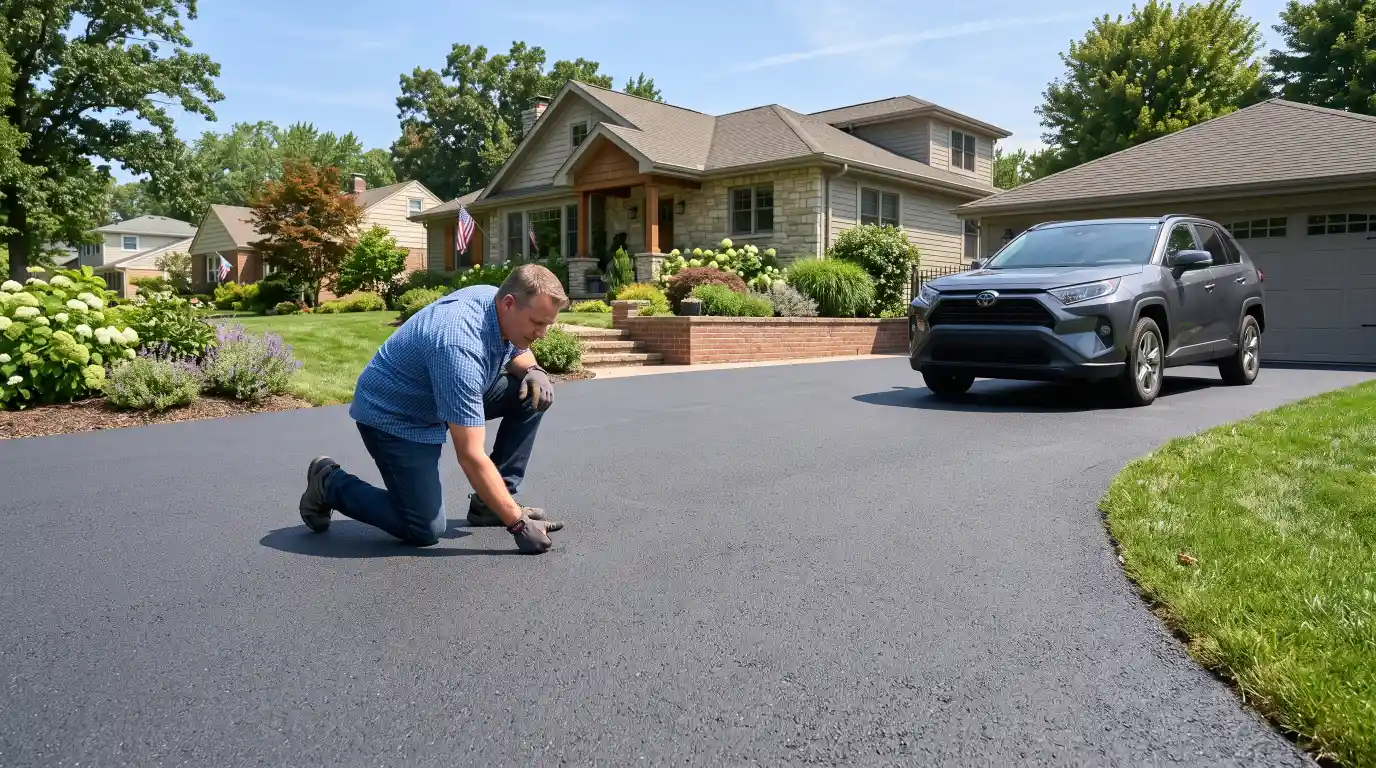
Press your thumb firmly into the surface. If it leaves no impression, the asphalt has hardened enough for normal vehicle use. If your thumb sinks in even slightly, give it more time.
No Soft or Sticky Areas
Walk across the entire surface and check for any areas that feel soft, spongy, or tacky underfoot. Soft spots mean the asphalt has not finished curing in those areas and should not be driven on yet.
Consistent Color Change
Fresh asphalt is very dark, almost black. As it cures, it gradually lightens to a medium gray or dark gray color. When the color looks consistent across the entire surface without any very dark or shiny patches, it is usually a sign that curing is progressing well.
Contractor Approval
The most reliable sign is approval from the contractor who installed the asphalt. They know what mix was used, how thick it was laid, and what the weather conditions were during installation. Always get a clear green light from your contractor before driving on a new surface.
How to Prevent Damage to Fresh Asphalt
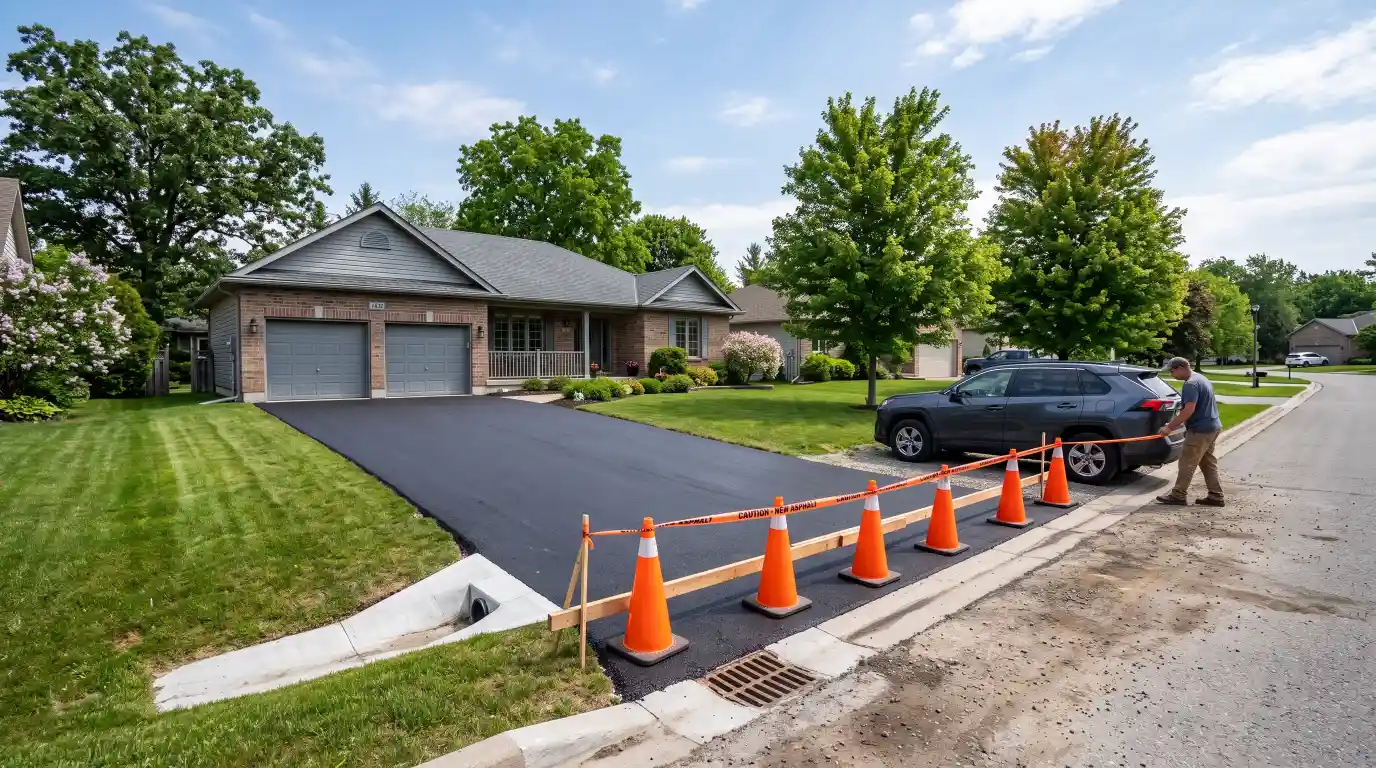
In very hot weather, asphalt can stay soft longer than normal. Avoid parking in direct sunlight during the first few weeks, and use boards under the tires if necessary to distribute weight. Cold weather helps asphalt harden faster initially, but temperatures that are too low during installation can affect proper curing.
Newly paved asphalt installed in late fall needs extra care during its first winter because freeze-thaw cycles can stress the surface. Light rain after the asphalt has cooled is usually not a problem, but heavy rain within the first few hours can damage the surface. Avoid driving on rain-soaked new asphalt because wet surfaces are more vulnerable to ruts and impressions.
Residential Driveways vs Commercial Parking Lots
Residential driveways and commercial parking lots have different curing requirements because they experience different traffic loads and usage patterns.
Different Waiting Times
Residential driveways and commercial parking lots behave differently because they are built differently. Commercial lots are typically thicker, use harder asphalt mixes, and are designed for much heavier loads. They may be usable within a day or two for light vehicles but should still be protected from heavy trucks for at least 2 weeks.
Why Highways Open Faster Than Driveways
Highway asphalt uses specialized mixes with faster-setting binders and is laid by high-speed paving machines that achieve better compaction than residential equipment. Road crews also often pave at night when temperatures are cooler, which speeds up the initial hardening.
Heavy Traffic Considerations
If a commercial parking lot or driveway will receive delivery trucks, garbage trucks, or other heavy vehicles regularly, the surface needs to be designed for that from the start. A standard residential mix will not hold up under repeated heavy traffic, regardless of how long you wait before allowing use.
Common Mistakes People Make With New Asphalt
The most common mistake is simply not waiting long enough. Many homeowners drive on a new driveway the same evening it is installed because it looks and feels solid.
- Parking too soon before the asphalt has properly hardened.
- Leaving heavy objects in one place, such as trailers, dumpsters, or campers.
- Turning the steering wheel while the vehicle is stationary, which can create scuff marks and surface damage.
- Ignoring the contractor’s instructions about curing time and proper care.
When to Call an Asphalt Contractor
If an area of your driveway remains soft or spongy weeks after installation, it may indicate a base problem or a void beneath the surface. This will not fix itself and needs professional evaluation. Water that pools on the surface or does not drain away within a few hours is a sign of improper grading.
Left unaddressed, standing water will shorten the life of the asphalt significantly. Some minor surface cracking is normal as asphalt settles. But cracks that appear within the first few weeks, especially deep ones or ruts that follow tire tracks, suggest the surface was driven on too soon or the base was not properly prepared.
Protect Your Asphalt Investment with Elite Surface Infrastructure
Protecting your new asphalt starts with knowing when and how to use it properly. If you’re planning a new driveway, parking lot, or asphalt repair project, the team at Elite Surface Infrastructure is here to help. We proudly serve homeowners and businesses throughout Colorado Springs providing expert asphalt paving, resurfacing, and maintenance services designed to maximize the life of your pavement. Contact us today for a free estimate and professional guidance tailored to your project.
Conclusion
Knowing how long before you can drive on asphalt is one of the most important things you can do to protect your investment. The surface may look and feel ready long before it actually is, especially in warm weather. A new asphalt driveway needs at least 24 to 48 hours before light vehicle use and much longer before heavy vehicles are allowed.
The curing process takes months to complete and the care you take during that time directly affects how long your asphalt will last. Avoid driving on it too soon, do not park heavy vehicles in one spot, keep fuels and oils off the surface, and follow your contractor’s specific instructions.
Frequently Asked Questions
Can I drive on asphalt after 24 hours?
For light vehicles like regular cars and SUVs, yes, 24 hours is usually enough time in moderate weather. In hot weather, wait at least 3 to 5 days. In cooler temperatures, 24 hours is generally safe for light use.
How long should I wait before parking on a new asphalt driveway?
Wait at least 2 to 3 days before parking regularly. Avoid parking heavy vehicles for at least 14 days and do not leave anything heavy sitting in one spot for an extended period during the first 30 days.
Can rain damage fresh asphalt?
Heavy rain within the first few hours of installation can affect the surface texture. After the asphalt has cooled to ambient temperature, light rain is generally not a problem. Driving on rain-soaked new asphalt is riskier because the surface is easier to deform when wet.
Why are roads opened sooner than residential driveways?
Roads use specialized mixes, thicker base layers, better compaction equipment, and sometimes accelerated cooling methods. These factors allow road surfaces to handle traffic much sooner than a typical residential driveway.
Can I walk on fresh asphalt?
Yes, usually within 2 to 4 hours after installation once it has cooled enough that it no longer sticks to shoes. Walking causes far less damage than driving because the weight is distributed over a larger area.
How long before heavy trucks can drive on new asphalt?
Wait at least 14 days for pickup trucks and vans and at least 30 days for commercial trucks, construction equipment, or any vehicle with heavy axle loads.
Does hot weather make asphalt dry faster?
No, hot weather actually slows the surface hardening process. Heat keeps the binder soft for longer, which means you need to wait more time before driving on new asphalt laid during hot summer weather.