
Asphalt driveway contractors work with pavement materials, base preparation, drainage, and compaction to create durable asphalt surfaces. Understanding these construction factors helps explain why some driveways last longer than others and what causes common pavement problems.
In Colorado Springs, CO, temperature changes, snowfall, and freeze-thaw cycles can affect asphalt performance. Poor drainage, an unstable base, and inadequate compaction can also contribute to cracking, potholes, and uneven surfaces over time. This guide explains how asphalt driveways are constructed, which materials and installation methods affect durability, and what maintenance practices help protect pavement from premature damage.
What Does an Asphalt Driveway Contractor Do?
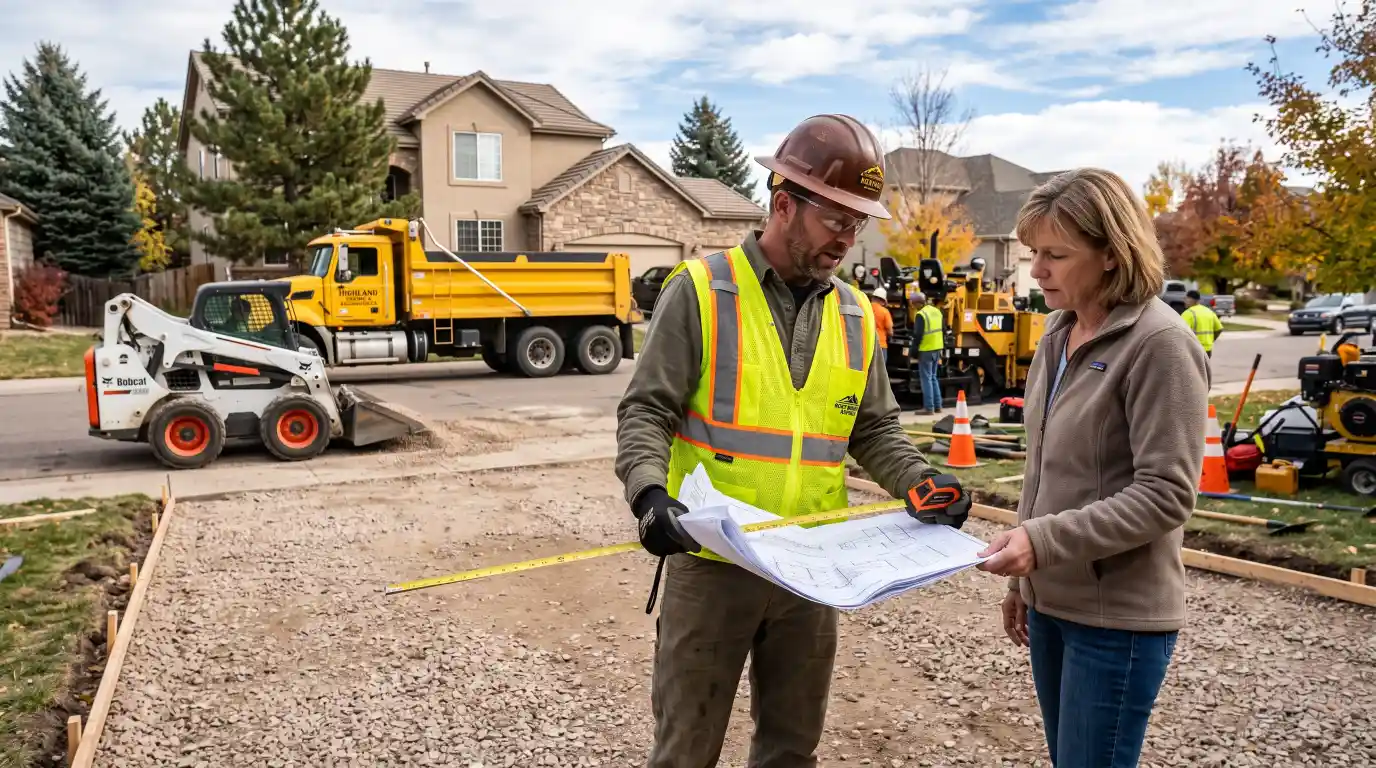
An asphalt driveway contractor handles every stage of the project, from evaluating your property to installing the finished driveway. They use the right materials, equipment, and techniques to create a smooth, durable surface that lasts.
A professional contractor also prepares a strong foundation and ensures proper drainage before laying the asphalt. This helps prevent common problems like cracks, potholes, and uneven surfaces, keeping your driveway in good condition for years.
Residential Asphalt Driveway Services
Most homeowners need asphalt services for a new driveway, repairs, or a full replacement. A professional contractor will assess the condition of your driveway and recommend the best solution. They prepare the surface properly and use quality materials for lasting results. Most residential projects are completed efficiently with minimal disruption to your daily routine. A well-installed asphalt driveway improves both the appearance and durability of your home.
Commercial Asphalt Paving Services
Commercial asphalt paving services are ideal for parking lots, access roads, and loading areas. These projects often require specialized equipment and experienced paving crews. Contractors plan the work carefully to reduce disruptions to business operations. They use durable materials designed to handle heavy traffic and daily wear. Professional paving creates a safe, long-lasting surface that enhances your property’s appearance.
New Driveway Installation
A new driveway installation starts with careful planning and site preparation. Contractors grade the area to create proper drainage and a stable foundation. They then install a strong base to support the asphalt surface. Once the base is ready, the asphalt is laid and compacted for a smooth finish. A properly installed driveway provides long-lasting durability and reliable performance.
Asphalt Driveway Replacement
An asphalt driveway replacement is often the best option when the existing surface is beyond repair. Large cracks, potholes, and severe damage can weaken the entire driveway. Contractors remove the old asphalt before preparing a strong new foundation. A fresh layer of asphalt is then installed and compacted for a smooth finish. The result is a durable driveway with improved appearance and long-term performance.
Asphalt Repair and Maintenance Services
Not every asphalt driveway needs a full replacement. Many issues can be fixed with timely repairs and routine maintenance. Common services include crack filling, pothole repair, and sealcoating. These solutions help prevent further damage and extend the life of your driveway. Regular maintenance keeps your asphalt looking great and performing well for years.
Asphalt Driveway Contractors at a Glance
|
Service |
Best For |
Benefits |
|
New Installation |
New Homes |
Durable Surface |
|
Replacement |
Damaged Driveways |
Fresh Foundation |
|
Resurfacing |
Worn Asphalt |
Cost-Effective |
|
Repair |
Minor Damage |
Extends Lifespan |
|
Sealcoating |
Preventive Care |
Weather Protection |
Asphalt Driveway Services Explained
Asphalt driveway contractors offer a variety of services to build, repair, and maintain durable driveways. Understanding these services helps you choose the right solution for your property’s needs.
Asphalt Driveway Installation
Asphalt driveway installation begins with careful site preparation and planning. Contractors grade the area to create a stable foundation and ensure proper drainage. A strong base is installed before fresh asphalt is laid and compacted into place. This process creates a smooth, durable driveway built to withstand years of daily use.
Driveway Resurfacing
Driveway resurfacing adds a new layer of asphalt over the existing surface. It is a cost-effective option when the foundation is still strong and stable. Resurfacing restores the driveway’s appearance and improves its overall performance. It also helps extend the life of your driveway without requiring a full replacement.
Asphalt Driveway Repair
Asphalt driveway repair targets damaged areas without replacing the entire surface. It is an effective solution for cracks, potholes, and other localized damage. Timely repairs help prevent small issues from becoming larger problems. This approach restores your driveway while extending its lifespan at a lower cost.
Crack Filling
Crack filling seals small cracks before they become more serious. It prevents water from reaching the base layer and causing additional damage. Early repairs help stop cracks from spreading across the surface. This simple maintenance step can extend the life of your asphalt driveway.
Pothole Repair
Pothole repair restores damaged areas before they become more severe. Filling potholes helps prevent water from weakening the foundation beneath the asphalt. Prompt repairs improve the safety and appearance of your driveway. They also help extend the life of the pavement and reduce future repair costs.
Sealcoating
Sealcoating adds a protective layer over the asphalt surface. It helps protect the driveway from sunlight, water, and everyday wear. Regular sealcoating reduces the risk of cracks and premature damage. This maintenance service extends the life and appearance of your asphalt driveway.
Asphalt Milling
Asphalt milling removes the worn top layer while keeping the existing base intact. It is commonly used before resurfacing driveways with minor surface damage. This process creates a smooth foundation for the new asphalt layer. Milling helps restore the driveway while reducing the need for a full replacement.
Driveway Extensions
Driveway extensions provide additional space for parking or easier vehicle access. Contractors carefully match the new asphalt to the existing driveway for a seamless appearance. Proper preparation ensures the extension is strong, stable, and long-lasting. A well-built extension improves both the functionality and curb appeal of your property.
Private Roads & Long Driveways
Private roads and long driveways require careful planning before paving begins. Proper grading and drainage are essential to prevent water damage and surface deterioration. These larger projects also need durable materials to withstand frequent and heavy traffic. Professional installation ensures long-lasting performance and reliable results.
Signs It’s Time to Hire an Asphalt Driveway Contractor
Large Cracks: Large cracks are a clear sign that your asphalt driveway needs professional attention. Cracks wider than half an inch often allow water to reach the base layer beneath the surface.
Potholes: Potholes are more than just a cosmetic problem on your driveway. They can damage vehicle tires, create safety hazards, and worsen over time.
Drainage Problems: Standing water on your driveway is often a sign of poor drainage. Improper grading allows water to collect instead of flowing away from the surface
Uneven or Sunken Areas: Uneven or sunken areas often indicate problems beneath the surface. Shifting or settling soil can weaken the driveway’s foundation over time.
Surface Fading: A faded or gray driveway is often a sign that its protective seal has worn away. Without that protective layer, the asphalt becomes more vulnerable to sunlight, water, and daily wear.
Aging Driveway: Most asphalt driveways last 15 to 30 years with proper installation and maintenance. As they age, cracks, fading, and surface wear become more common.
How to Choose the Best Asphalt Driveway Contractor
Choosing the right asphalt driveway contractor is one of the most important decisions you can make for the success of your project. Look for a contractor with proven experience, the proper licensing and insurance, and a strong reputation backed by positive customer reviews. Reviewing past projects, requesting a detailed written estimate, and asking about the materials and equipment they use can also help you compare your options with confidence.
A reliable contractor will communicate clearly, explain the paving process, and stand behind their work with a warranty whenever possible. They should never rush you into making a decision or rely on vague pricing. Taking the time to hire a qualified professional helps ensure your driveway is built to last, performs well for years, and provides the best value for your investment.
How Asphalt Driveway Installation Works
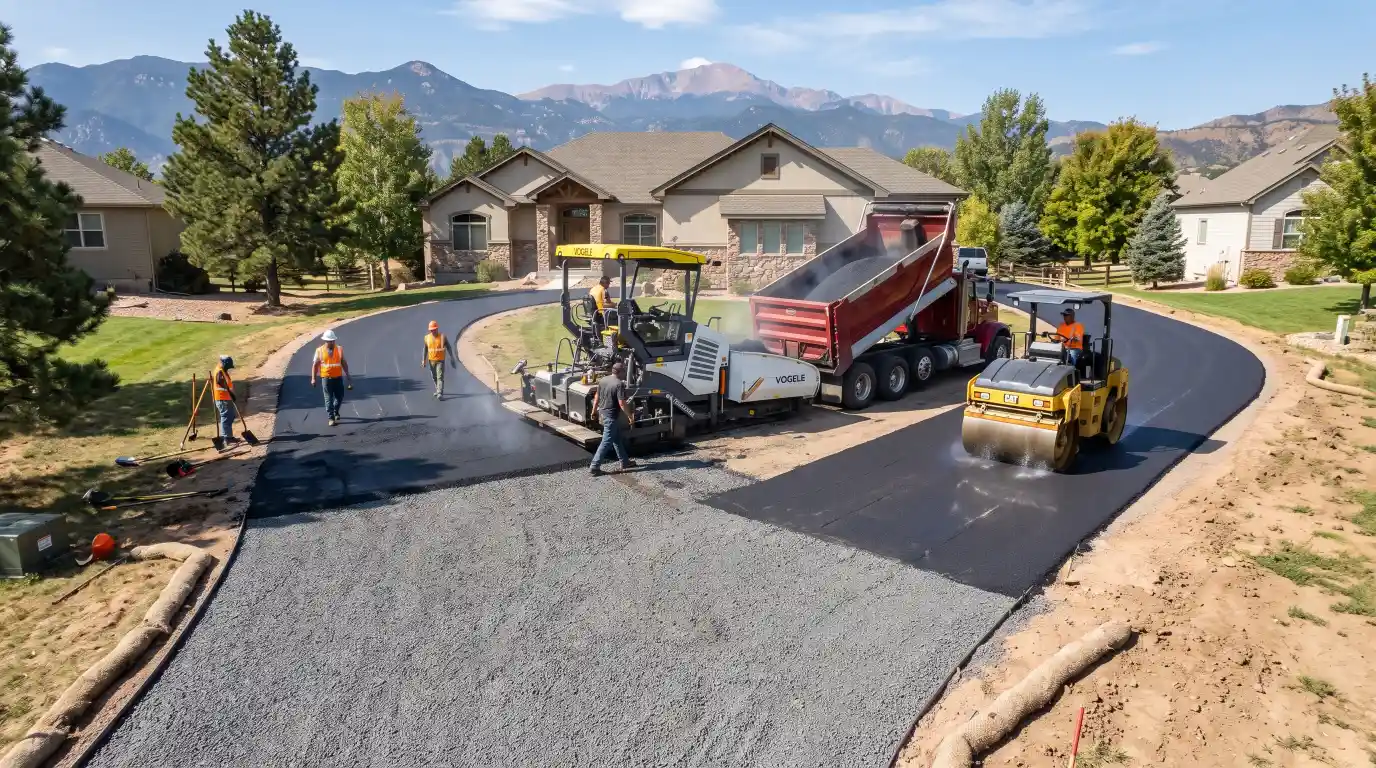
Installing an asphalt driveway is a step-by-step process that begins long before the asphalt is poured. Contractors first evaluate the site, remove any existing surface if needed, and prepare the area by grading it for proper drainage. A strong, well-compacted stone base is then installed to create a stable foundation that helps prevent cracking, settling, and other structural problems over time.
Once the base is ready, hot asphalt is laid, carefully leveled, and compacted with specialized equipment to create a smooth, durable surface. After the final inspection, the driveway is left to cure before it can handle regular vehicle traffic. When every step is completed correctly, the result is a long-lasting driveway that offers reliable performance, improved curb appeal, and years of dependable
What Makes a High-Quality Asphalt Driveway?
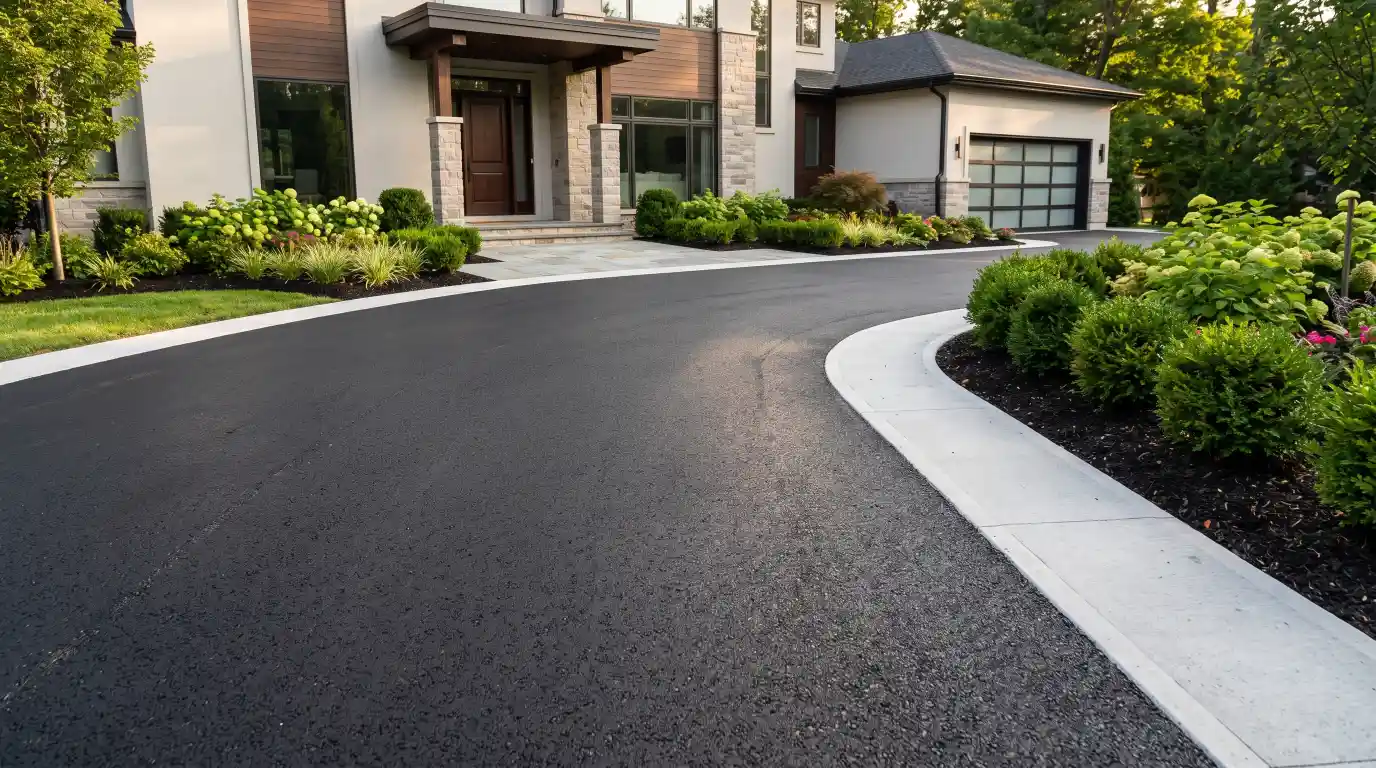
Strong Foundation: A driveway is only as good as what is underneath it. A solid base layer keeps the asphalt from cracking and sinking.
Proper Drainage: Water needs somewhere to go. A driveway built with the right slope keeps water moving away instead of pooling on the surface.
Correct Asphalt Thickness: Thin asphalt wears out fast, especially under heavy vehicles. The right thickness depends on how the driveway will be used.
Professional Compaction: Asphalt that is not compacted properly will develop weak spots. Skilled contractors use the right equipment to compact it evenly.
Premium Asphalt Mix: Higher quality asphalt mixes resist cracking and hold up better in extreme heat and cold, which matters a lot in Colorado Springs.
Asphalt vs. Concrete Driveways
|
Feature |
Asphalt |
Concrete |
|
Installation Time |
Faster |
Slower |
|
Durability |
Good with maintenance |
Very durable |
|
Maintenance |
Needs regular sealing |
Low maintenance |
|
Appearance |
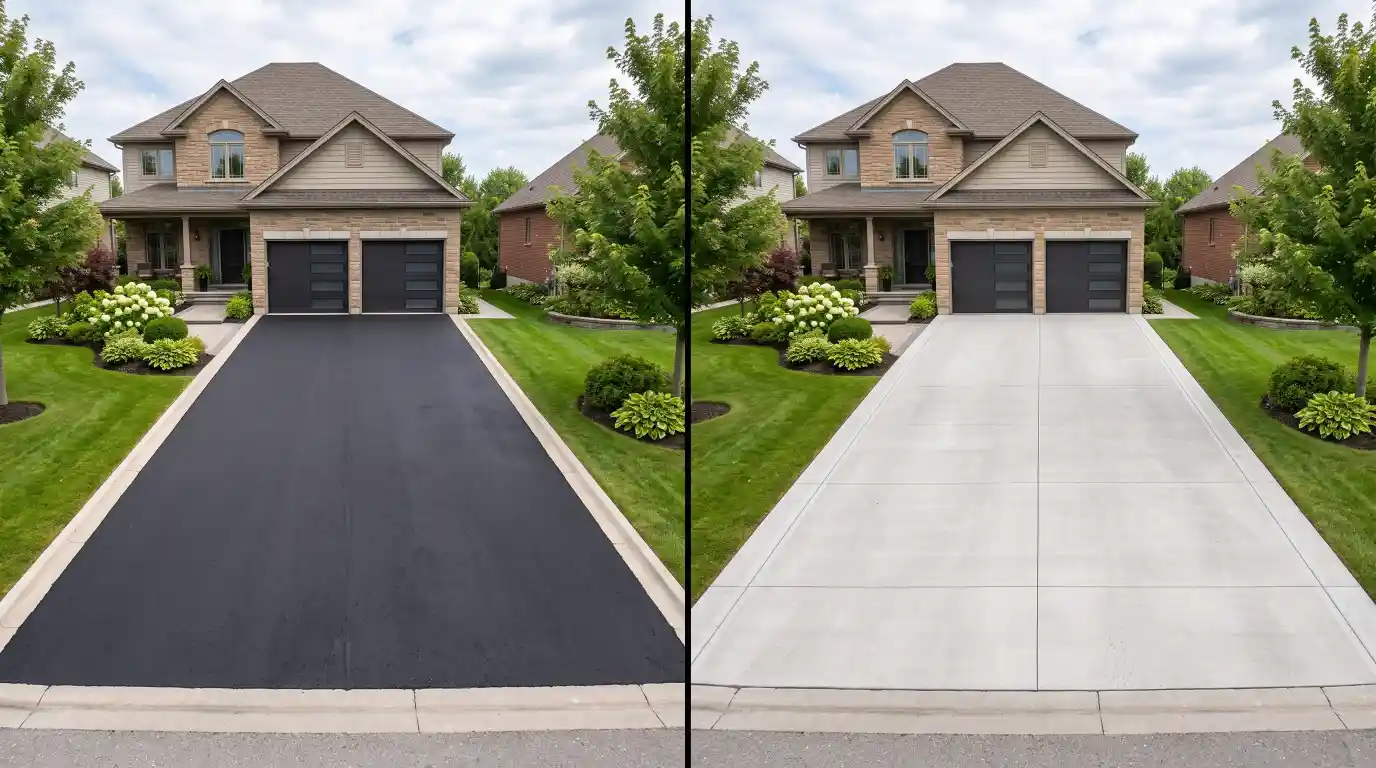
Simple, dark finish |
More design options |
|
Climate Performance |
Handles freeze-thaw well |
Can crack in freeze-thaw |
|
Repairs |
Easier and cheaper |
More costly |
How Long Does an Asphalt Driveway Last?
A professionally installed asphalt driveway typically lasts 15 to 30 years, but its lifespan depends on several factors, including installation quality, climate, traffic, and routine maintenance. A well-prepared base, proper drainage, and a high-quality asphalt mix help the surface withstand daily wear and changing weather conditions. However, heavy vehicle traffic, poor drainage, and repeated freeze-thaw cycles can shorten its lifespan if left unaddressed.
The good news is that regular maintenance can add years to your driveway’s life. Sealcoating every few years, repairing small cracks before they spread, keeping the surface clean, and preventing standing water all help protect the asphalt from premature damage. With consistent care, your driveway can remain durable, smooth, and visually appealing for decades.
Asphalt Driveway Maintenance Tips
- Sealcoating: Apply a sealcoat every 2–3 years to protect your driveway from UV rays, water damage, and everyday wear.
- Crack Repair: Repair small cracks as soon as they appear to prevent them from expanding into larger, more expensive problems.
- Cleaning: Regularly sweep away dirt and debris, and clean oil or fuel stains to keep the surface in good condition.
- Drainage Maintenance: Keep gutters, drains, and edges clear so water flows away instead of pooling on the driveway.
- Winter Care: Use a plastic snow shovel instead of metal, and avoid harsh de-icing chemicals that can damage the asphalt.
Common Mistakes Homeowners Make
Hiring the Cheapest Contractor: The lowest price often means lower quality materials or rushed work. This can cost more in repairs down the road.
Ignoring Drainage Issues: Skipping proper drainage planning leads to water damage and cracks much sooner than expected.
Delaying Repairs: Small problems get bigger and more expensive the longer they are ignored.
Skipping Sealcoating: Without regular sealing, a driveway loses its protection and wears out faster.
Choosing Price Over Quality: A driveway is a long-term investment. Choosing quality materials and skilled work usually saves money over time.
Why Professional Asphalt Driveway Contractors Are Worth It
Better Workmanship: Trained crews know how to avoid common mistakes that lead to early cracking and damage.
Long-Term Cost Savings: A driveway built the right way the first time saves you money on repairs later.
Improved Curb Appeal: A smooth, well-built driveway adds to your home’s overall look and value.
Proper Equipment: Professional contractors use heavy equipment that most homeowners simply do not have access to.
Longer Lasting Results: Quality work from an experienced team means your driveway stays in good shape for many years.
Why Homeowners Choose Elite Surface Infrastructure
Licensed and Insured Professionals: Our team is fully licensed and insured, so you can feel confident every step of the way.
Experienced Paving Team: Our crew has years of hands-on experience installing and repairing driveways across Colorado Springs, CO.
Premium Materials: We use high quality asphalt mixes built to handle Colorado’s hot summers and cold, snowy winters.
Honest Pricing: We give clear, written estimates with no hidden fees or surprise costs.
Customer Satisfaction: Our goal is a driveway you are happy with for years to come, backed by real customer support.
Understanding What Makes Asphalt Pavement Last
Long-lasting asphalt pavement depends on more than the appearance of the finished surface. Base stability, proper drainage, asphalt thickness, and compaction all influence how pavement handles vehicle traffic and changing weather conditions.
Learning how these factors affect asphalt can help property owners recognize early signs of deterioration, understand common repair methods, and make informed decisions about pavement maintenance.
Regular inspections, drainage maintenance, and early attention to cracks or surface damage can help reduce preventable deterioration and protect pavement over time.
Conclusion
Asphalt driveway durability depends on proper construction, suitable materials, stable base conditions, and effective drainage. Understanding these factors helps explain how asphalt surfaces perform and why cracks, potholes, or uneven areas may develop.
Temperature changes, vehicle loads, and pavement age can affect long-term performance. Regular inspections and appropriate maintenance can help identify surface problems before they become more extensive. Knowing how asphalt pavement is constructed and maintained provides a better understanding of the factors that influence its condition and lifespan.
Frequently Asked Questions
What factors affect asphalt driveway durability?
Asphalt driveway durability depends on base preparation, drainage, pavement thickness, compaction, and traffic loads. Weather conditions and regular maintenance also affect how well the pavement performs over time.
How long does an asphalt driveway last?
An asphalt driveway may last 15 to 30 years, depending on construction quality, climate, vehicle traffic, and maintenance. Poor drainage and an unstable base can shorten its lifespan.
What causes cracks in asphalt driveways?
Cracks can develop from temperature changes, pavement aging, heavy loads, poor drainage, and movement beneath the surface. Water entering existing cracks can contribute to further deterioration.
How long does new asphalt take to become ready for traffic?
The waiting period depends on the asphalt mix, pavement temperature, compaction, and installation conditions. Newly placed asphalt must cool sufficiently before vehicle traffic is allowed. Follow the installation guidance for the specific pavement.
What is the difference between asphalt resurfacing and replacement?
Resurfacing adds a new asphalt layer over an existing surface when the underlying pavement remains stable. Replacement involves removing damaged pavement and rebuilding the affected layers when the existing structure is no longer suitable.