
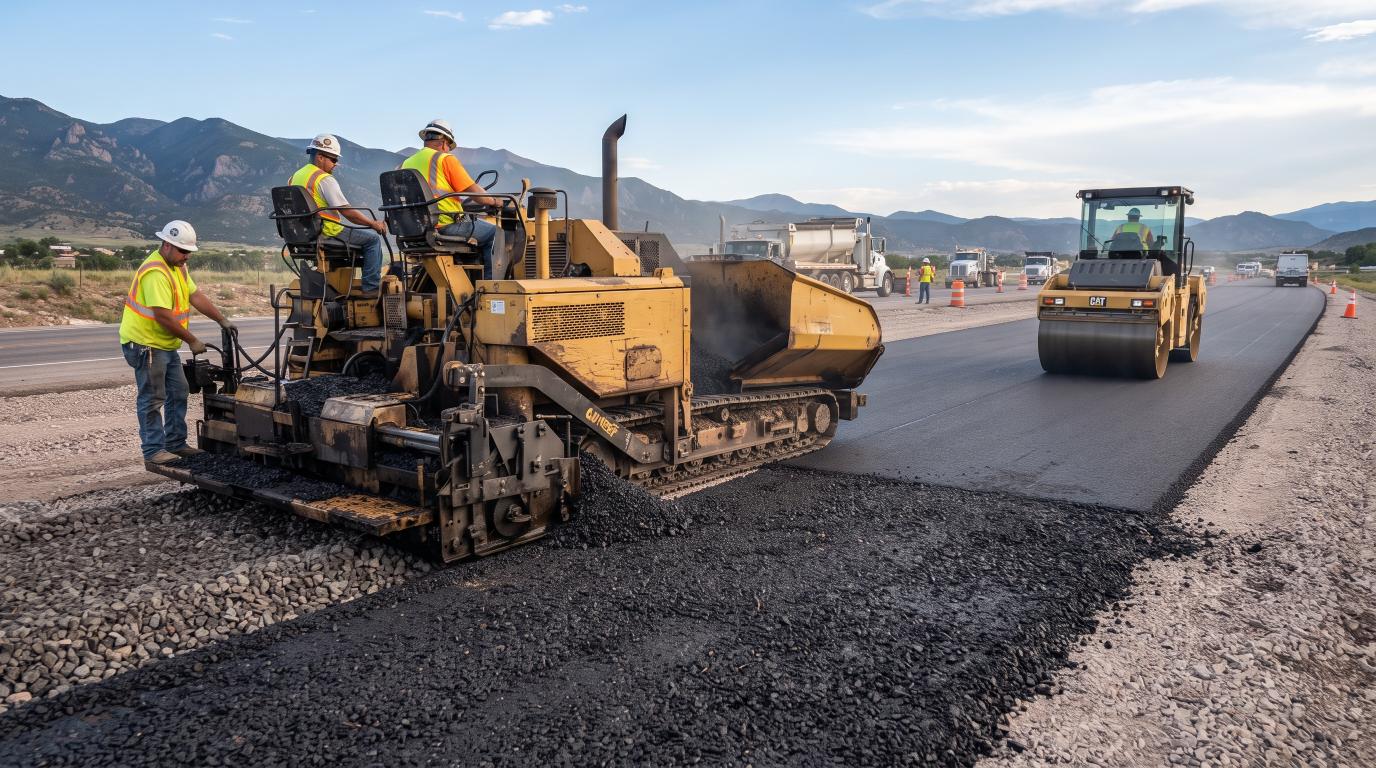
Asphalt is mainly made of aggregates and asphalt binder. The aggregates include crushed stone, gravel, and sand and usually make up about 90 to 95 percent of the mixture by weight. Asphalt binder is the dark, sticky petroleum-based material that coats the aggregate and holds it together. Mineral filler, additives, and reclaimed asphalt pavement may also be included depending on the mix design.
For roads, parking lots, and commercial paving in Colorado Springs, CO, Elite Surface Infrastructure works with asphalt mixtures designed around traffic, climate, drainage, and project requirements. The exact combination of asphalt aggregate, binder, filler, and recycled material can change depending on where the pavement will be used and the loads it must support.
The main asphalt mixtures include hot mix, warm mix, and cold mix asphalt. At the plant, aggregate and binder are measured and blended, then the finished material is transported, placed, and compacted. The ingredients matter, but proper mix design, base preparation, drainage, temperature control, and compaction also influence how well the finished pavement performs.
Aggregates: Stone, Sand, and Gravel in Asphalt
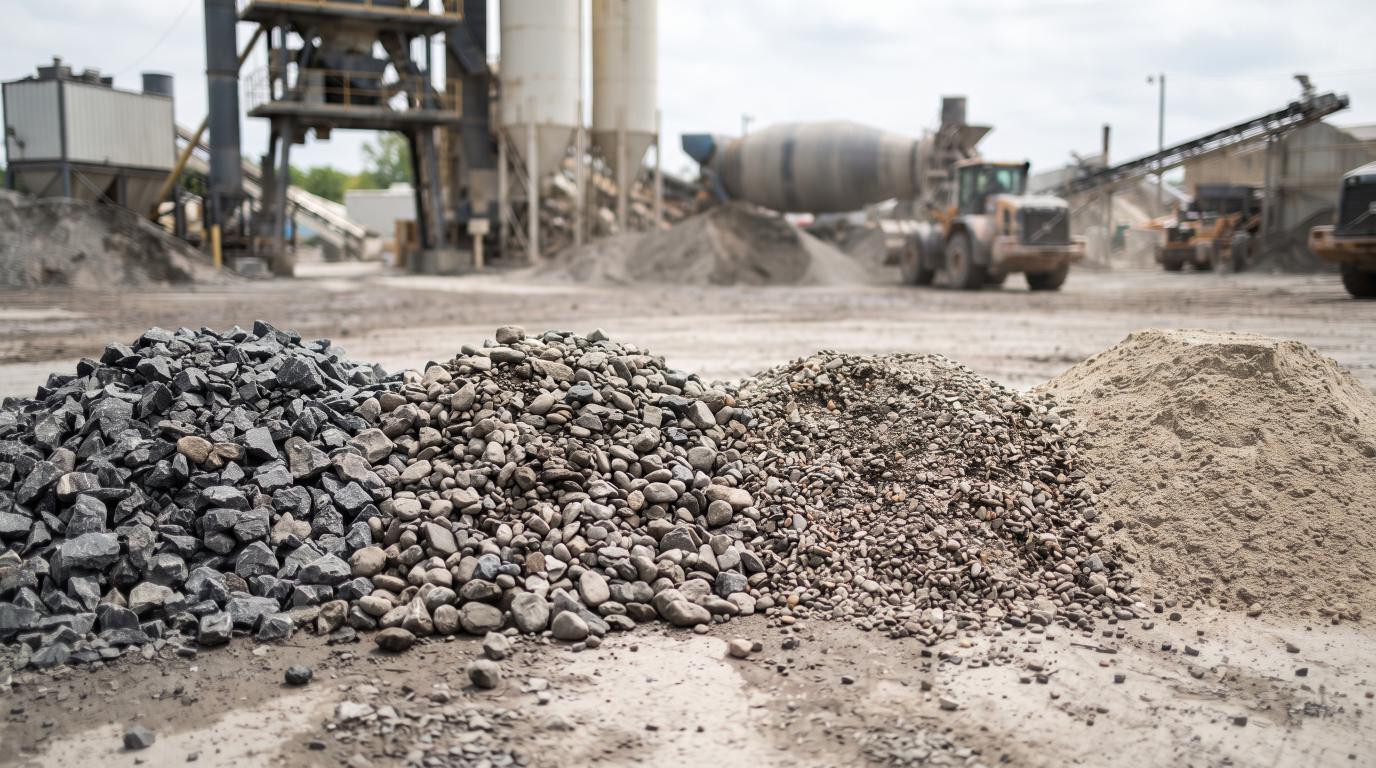
Aggregates make up most of an asphalt mixture. Common materials include crushed stone, sand, and gravel. Coarse aggregates are the larger stone particles. Fine aggregates include smaller particles and sand. When these different sizes are combined correctly, they fit together closely and create a strong internal structure.
Aggregate quality is important because these materials carry much of the load placed on the pavement. Strong, durable stone helps asphalt resist movement, wear, and damage from traffic. The shape and surface texture of the aggregate also affect how well the particles lock together.
Asphalt Binder That Holds the Mix Together
Asphalt binder is the dark, sticky material that coats the aggregate and bonds the mixture together. In the United States, most paving binder is produced during petroleum refining. Binder becomes softer and easier to work with when heated.
As the pavement cools after placement and compaction, the binder becomes firmer and helps hold the aggregate in place.
The type and grade of binder matter. A binder must perform under the temperatures and traffic loads expected at the project site. If the binder becomes too soft, the pavement may be more likely to rut. If it becomes too stiff or brittle, cracking can become more likely.
Mineral Filler in Asphalt Mixes
Mineral filler is made of very fine mineral particles. These small particles help fill spaces between larger pieces of aggregate. Filler can improve mixture density, strength, and stability.
Materials used as filler may include fine stone dust, hydrated lime, or other approved mineral materials depending on the mix design. FHWA guidance notes that mineral filler generally represents only a small part of hot mix asphalt, but it can still have an important effect on the final mixture.
Additives and Modifiers in Asphalt
Some asphalt mixtures include additives or modified binders to meet special performance needs. Polymers may be added to improve flexibility or resistance to rutting and cracking.
Other additives can improve the bond between asphalt binder and aggregate, help the mixture perform in wet conditions, or allow asphalt to be produced at lower temperatures. There is no single modifier that belongs in every asphalt mix. The correct material depends on climate, traffic, pavement design, and project requirements.
Recycled Materials in Asphalt
Modern asphalt mixes can also contain reclaimed materials. One of the most common is reclaimed asphalt pavement, often called RAP. RAP comes from old asphalt surfaces that have been removed or milled. Because the material already contains aggregate and aged asphalt binder, it can be processed and used as part of a new asphalt mixture.
Recycled asphalt shingles, known as RAS, may also be used in certain approved mix designs. The allowed amount depends on specifications, mix testing, binder properties, and expected pavement performance. FHWA continues to support responsible use of RAP when the resulting mixture meets performance requirements.
One thing to flag: only the binder section has a link (“at the project site” linking to elitesi.com/projects). If you’re rolling out the earlier suggestion about linking to FHWA and other internal pages, this would be a good spot to also add those, since mineral filler and RAP both reference FHWA by name without linking to it.
How Much of Asphalt Is Aggregate vs. Binder?
A typical asphalt paving mixture contains roughly 90 to 95 percent aggregate by weight, with asphalt binder making up most of the remaining portion. A commonly used simplified description is about 95 percent stone, sand, and gravel and about 5 percent asphalt binder.
These percentages are not a fixed recipe for every project. Mix designers adjust aggregate grading, binder content, air voids, fillers, and modifiers based on the pavement’s expected use.
Too little binder can leave a mixture dry and more likely to crack or travel. Too much binder may make the pavement unstable or more likely to deform. The goal is to find a balanced mixture that provides strength while keeping enough flexibility for real-world conditions.
How Is Asphalt Made?
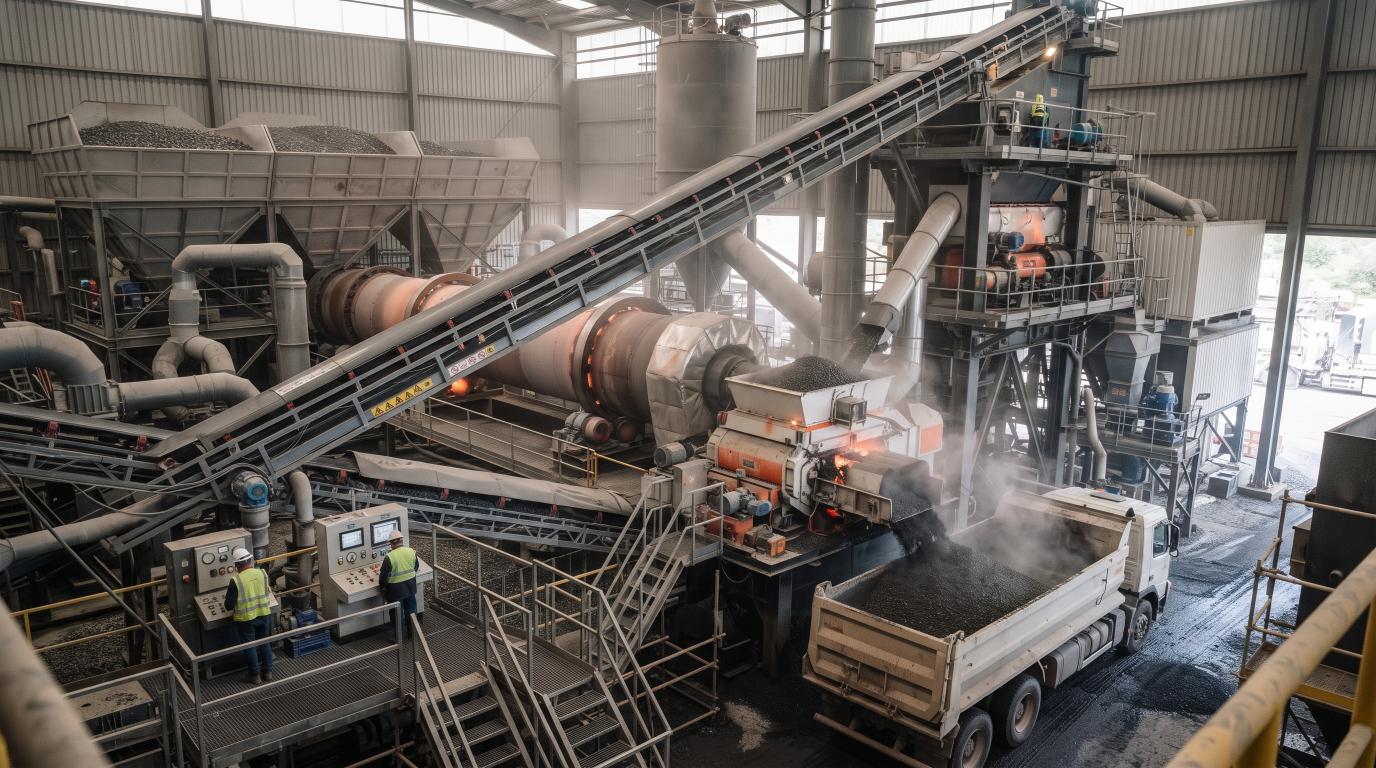
Producing asphalt requires more than mixing rocks with binder. Asphalt plants carefully control material size, temperature, and proportions.
Aggregates Are Sorted and Prepared
Stone, gravel, and sand are separated into different sizes. The mix design determines how much of each size is needed. The aggregates may also need to be dried because excess moisture can interfere with proper mixing and binder adhesion.
Asphalt Binder Is Heated
Asphalt binder is heated so it becomes fluid enough to pump, measure, and spread over the aggregate particles. The correct temperature depends on the binder, mixture type, and production process.
Materials Are Measured and Blended
The plant measures each material according to the approved mix design. Accurate proportions are important because small changes in binder or aggregate content can affect pavement performance.
The Asphalt Mix Is Heated and Mixed
In conventional hot mix production, heated aggregates and binder are combined until the aggregate particles are evenly coated. Plants may use batch production or continuous drum mixing. Both systems are designed to produce a consistent mixture within the required temperature and material specifications.
Finished Asphalt Is Transported and Placed
After mixing, asphalt is loaded into trucks and transported to the paving site. Crews then place the material with paving equipment at the planned thickness and grade. Temperature management is important because the mixture must remain workable enough for proper placement.
The Pavement Is Compacted
Rollers compact the newly placed asphalt while it is still at the correct temperature. Compaction reduces excess air spaces and helps the aggregate particles lock together. Poor compaction can leave the pavement more open to water, movement, and early deterioration.
What Are the Main Types of Asphalt Mixes?
Different asphalt mixtures are used because not every project has the same traffic, climate, budget, or construction conditions.
|
Asphalt Type |
Main Difference |
Common Uses |
|
Hot Mix Asphalt |
Produced and placed at high temperatures |
Roads, highways, parking areas |
|
Warm Mix Asphalt |
Produced at lower temperatures than traditional HMA |
Roads, overlays, general paving |
|
Cold Mix Asphalt |
Can be produced and placed without traditional hot-mix temperatures |
Repairs and some lower-volume roads |
|
Mastic Asphalt |
Dense mixture with high binder and filler content |
Specialty paving and waterproofing applications |
How Does Asphalt Become a Durable Pavement?
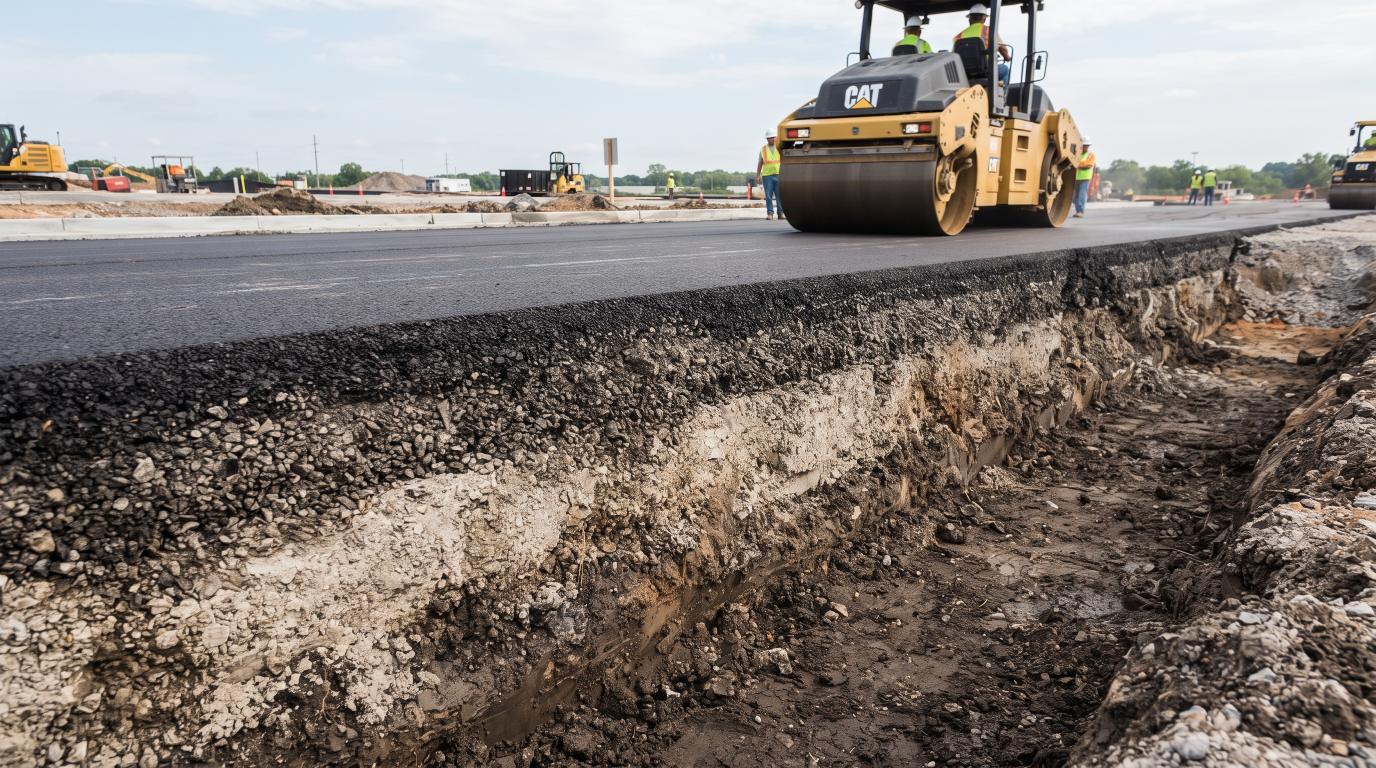
Good ingredients alone do not guarantee long pavement life. Asphalt works as a system that includes the mix, pavement layers, drainage, installation, and compaction.
The Role of the Aggregate Structure
Aggregate creates the main structural framework inside asphalt. When particles have the correct sizes, shapes, and grading, they fit together and help the pavement resist traffic loads. Strong aggregate also reduces the chance of particles breaking down under repeated use.
The Role of the Asphalt Binder
Binder adds cohesion and helps hold the aggregate structure together. It also gives the pavement some flexibility as temperatures and loads change. Binder selection is especially important in areas that experience major seasonal temperature changes.
Why Compaction Matters
Proper compaction creates a dense, stable pavement structure. If asphalt is not compacted enough, excessive air voids can remain inside the pavement. Water and air may then enter more easily and speed up deterioration.
Over compaction or an incorrect mix can create other problems, which is why paving crews work toward a specific density rather than simply rolling the surface as much as possible.
Why the Base and Subbase Matter
Asphalt cannot perform well if the material underneath it is weak. A stable base helps spread loads and supports the asphalt layers above. Drainage is also important because trapped water can weaken underlying soil or base material.
That is why professional paving involves preparing the entire pavement structure, not only placing the black surface that drivers can see.
Where Is Asphalt Used?
Asphalt is used anywhere a smooth, durable, and repairable paved surface is needed.
Common applications include:
- Roads and highways
- Commercial parking lots
- Residential driveways
- Airport runways and taxiways
- Industrial yards
- Walking and cycling paths
- Municipal streets
- Resurfacing and overlay projects
The mix and pavement thickness may change from one project to another. A residential driveway does not face the same traffic loads as a highway or industrial facility.
Asphalt vs. Bitumen What’s the Difference?
Asphalt and bitumen are often used as if they mean the same thing, especially because the terminology can change by country. In paving, however, it is useful to separate the finished pavement material from the binder used inside the mixture.
|
Term |
What It Is | Role in Paving |
Common Use |
|
Asphalt |
A complete paving mixture | Forms the finished pavement surface |
Roads, driveways, parking lots, and highways |
|
Bitumen |
A dark, sticky binding material | Binds mineral materials together |
Used as a binder in paving and waterproofing |
|
Asphalt Binder |
The term commonly used in the U.S. for the binding material | Coats and holds aggregate particles together |
Used during asphalt mix production |
In simple terms, asphalt is the complete paving material, while bitumen or asphalt binder is the binding material used within it. In the U.S., asphalt binder is usually the clearer term when discussing the material that holds the aggregate together.
Is Asphalt Recyclable?
Yes. Old asphalt pavement can be reclaimed and reused. When an asphalt surface is milled or removed, the recovered material can be crushed, screened, and processed as RAP. It may then replace part of the new aggregate and binder needed in another asphalt mixture.
Recycling can reduce demand for virgin aggregate and new asphalt binder while keeping usable pavement material out of disposal sites. FHWA promotes RAP use when recycled mixtures remain economical, environmentally responsible, and able to meet performance needs.
The amount of RAP that can be used depends on the project specification, condition of the reclaimed material, binder properties, mix design, production method, and required pavement performance.
Why Does Asphalt Crack and Deteriorate?
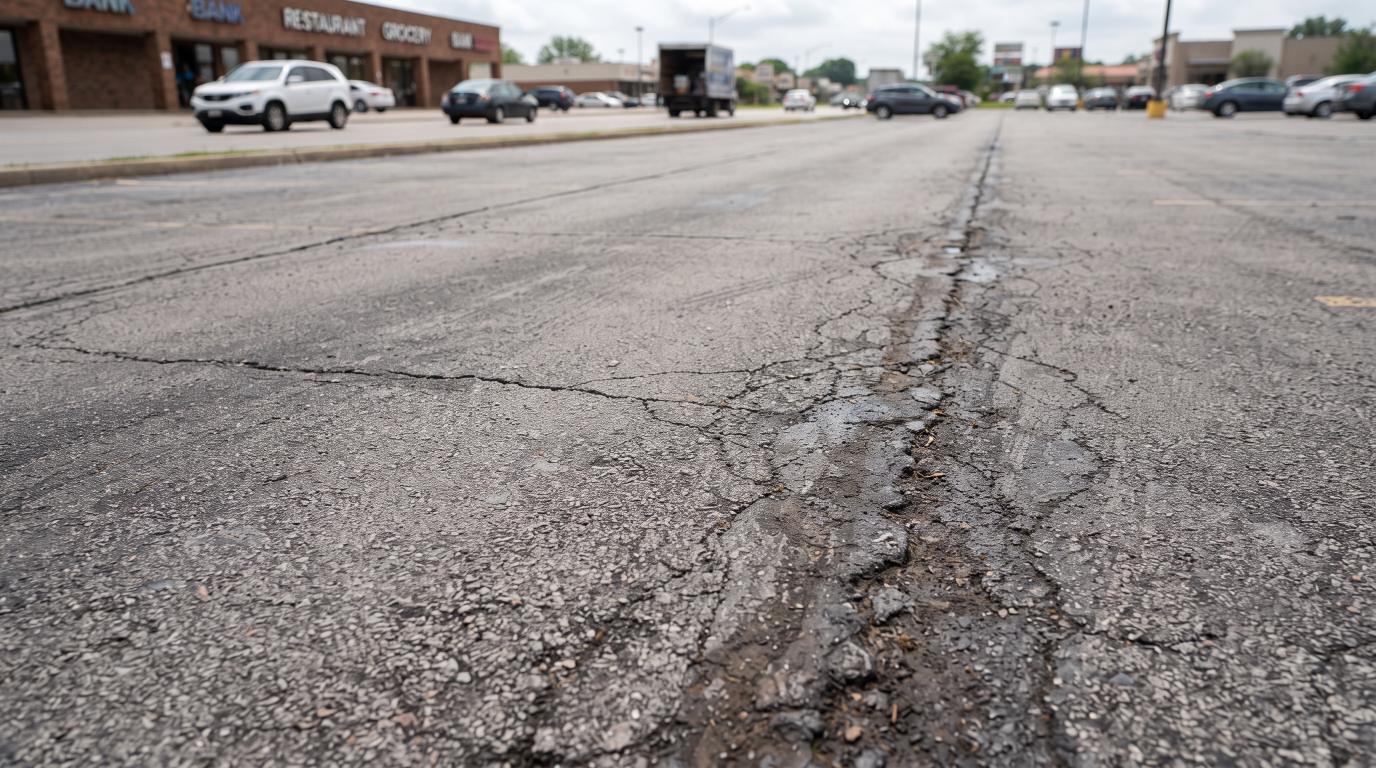
Asphalt is durable, but it is not immune to damage. Its materials change over time, while traffic and weather continue placing stress on the pavement.
Weather and Temperature Changes
Asphalt expands and contracts as temperatures change. Cold temperatures can make aged pavement less flexible, while high temperatures can soften some mixtures. Repeated temperature cycles may eventually contribute to cracking.
Water and Poor Drainage
Water is one of the biggest concerns for a pavement system. If water enters through cracks or reaches a poorly drained base, it can weaken the support under the pavement. Moisture can also reduce the bond between binder and aggregate in some conditions.
Heavy Traffic and Loads
Repeated vehicle loads place stress on the asphalt structure. Heavy trucks, frequent turning movements, and concentrated loads can increase the chance of rutting, cracking, or surface movement when the pavement is not designed for those demands.
Aging of the Asphalt Binder
Binder changes as it is exposed to oxygen, sunlight, and time. Asphalt binder usually becomes harder and less flexible as it ages. An older, brittle pavement is generally more likely to crack than a newer pavement with greater flexibility.
Poor Installation or Compaction
Even a good asphalt mix can fail early if it is installed poorly. Weak base preparation, incorrect paving temperatures, poor drainage, inadequate thickness, or improper compaction can reduce pavement life. Proper construction is just as important as choosing the right materials.
Conclusion
What is asphalt made of? Most asphalt pavement consists of crushed stone, gravel, sand, and other mineral aggregate held together by a smaller amount of asphalt binder. A typical paving mixture contains about 90 to 95 percent aggregate by weight, while the binder makes up roughly 4 to 8 percent. Mineral filler, performance modifiers, and reclaimed asphalt pavement may also become part of the mix.
These materials are measured and combined according to the pavement’s intended use. Hot, warm, and cold asphalt mixtures differ in how they are produced and placed, while the aggregate grading, binder properties, recycled content, and additives can also change from one project to another.
The asphalt material itself is only part of pavement performance. A stable base, good drainage, appropriate mix design, correct paving temperatures, and proper compaction all help the finished surface withstand traffic, moisture, and Colorado’s changing temperatures.
Need Professional Asphalt Paving or Maintenance?
Knowing what asphalt is made of is only the first part of building pavement that performs well. Mix selection, grading, drainage, base preparation, milling, placement, and compaction all affect the finished surface.
Elite Surface Infrastructure provides self-performing asphalt paving and milling services in Colorado Springs, CO and throughout the Front Range. ESI also handles mill and overlay resurfacing, earthwork, site grading, underground utilities, and concrete work for commercial, municipal, government, and development projects.
Planning new asphalt pavement or resurfacing an existing property? Contact us at 303-841-0292 or request an estimate to discuss the project.
Frequently Asked Questions
Is asphalt the same as tar?
No. Asphalt and tar are different materials. Modern asphalt paving uses asphalt binder, which is usually produced from petroleum refining. Traditional coal tar comes from processing coal. The terms are sometimes mixed together in everyday conversation, but they are not technically the same material.
Is asphalt made from crude oil?
Part of it is. Most asphalt binder used today comes from petroleum refining, but asphalt pavement is not mostly oil. The large majority of the finished paving mixture is stone, gravel, sand, and other mineral aggregate.
What is natural asphalt made of?
Natural asphalt contains bitumen that occurs naturally in geological deposits, often mixed with mineral material. Natural deposits existed long before modern petroleum refineries. Today, however, most asphalt binder used for large paving projects is produced through petroleum refining.
Is asphalt waterproof?
Asphalt binder is highly water resistant, and dense asphalt pavement can greatly limit water penetration. However, a paved surface should not be treated as completely waterproof. Cracks, joints, drainage problems, and pavement damage can allow water into the pavement structure.
How long does asphalt typically last?
There is no single lifespan for every asphalt surface. A properly designed and constructed pavement can remain useful for many years or even decades. Traffic, climate, pavement thickness, base conditions, drainage, maintenance, and resurfacing all influence its service life.
Can old asphalt be recycled?
Yes. Old asphalt can be milled, processed, and reused as reclaimed asphalt pavement. RAP can replace part of the virgin aggregate and asphalt binder needed for new mixtures when the mix design and project specifications allow it.
Is asphalt better than concrete for roads?
Neither material is best for every project. Asphalt can provide smooth riding surfaces, fast construction, easier resurfacing, and flexible repair options. Concrete may be preferred for certain heavy-load or long-term applications. Engineers consider traffic, soil, climate, construction time, maintenance, and project cost before selecting a pavement type.