
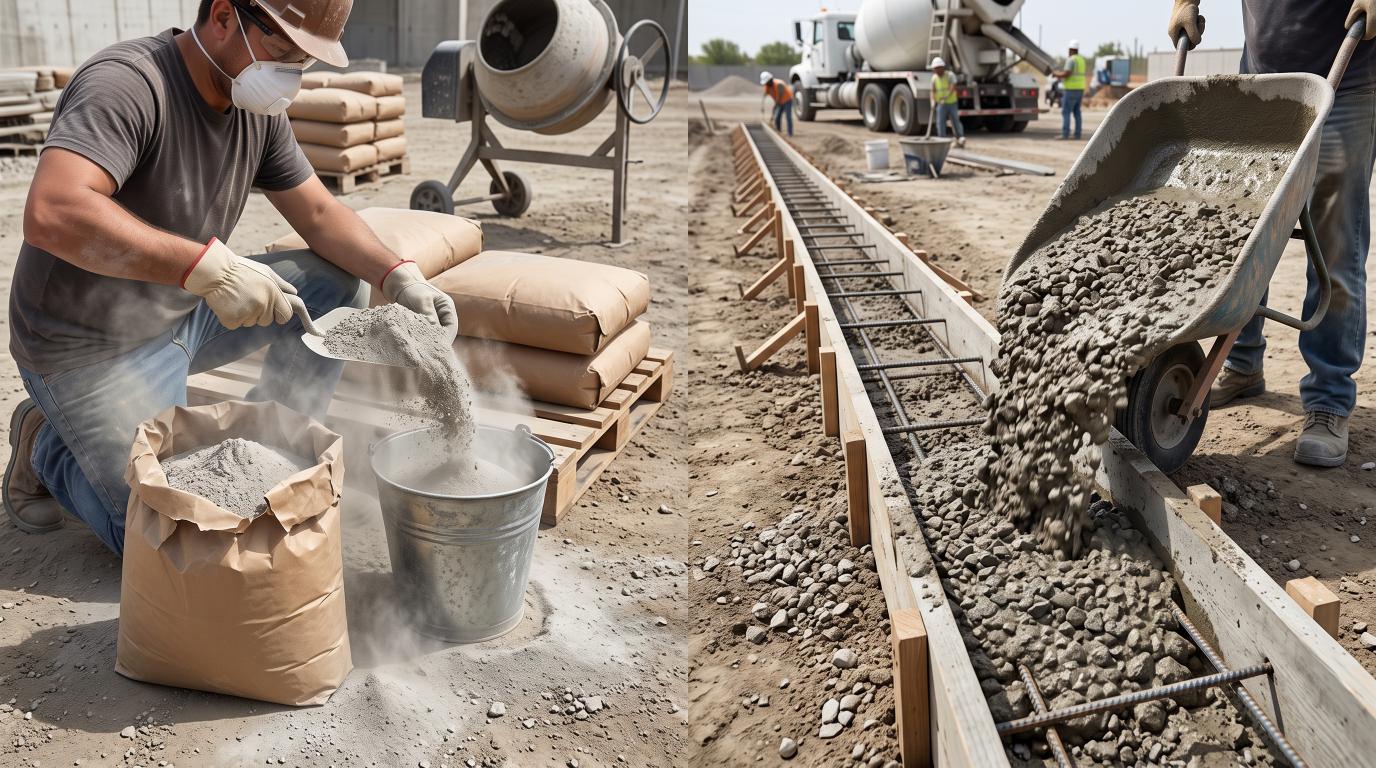
Concrete and cement are often called the same thing, but they are different materials. The main difference between concrete and cement is that cement is an ingredient used to make concrete. Concrete is the finished construction material made by combining cement, water, sand, and larger aggregates such as gravel or crushed stone.
For construction projects in Colorado Springs and across Colorado, knowing the difference can make conversations about materials and project requirements much clearer. Elite Surface Infrastructure (ESI) works with concrete for commercial, site, paving, and infrastructure projects where the right materials and placement methods matter.
A simple way to remember the difference is to think about a recipe. Cement is one important ingredient. Concrete is the completed mixture. The sidewalk, slab, foundation, or pavement you see after construction is concrete, not cement alone.
What Is Cement?
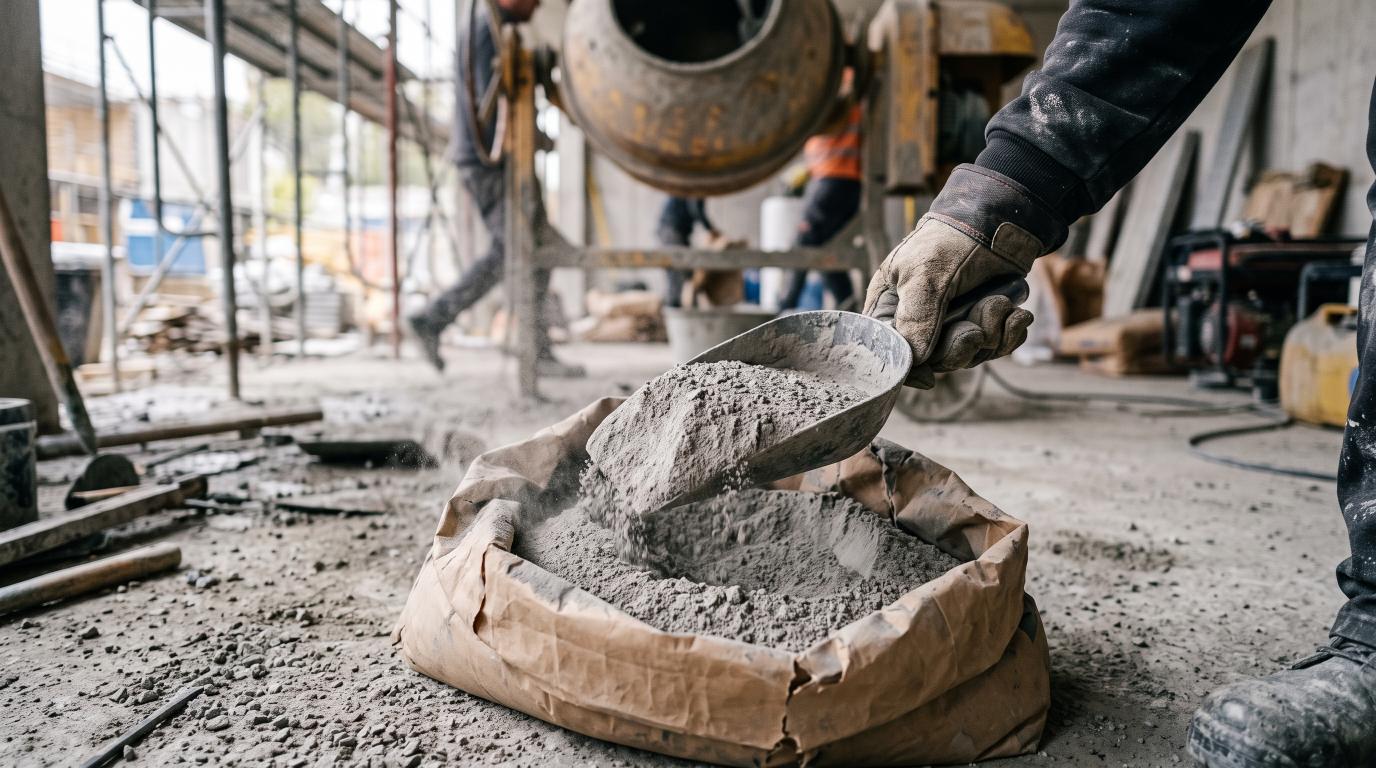
Cement is a fine powder that works as a binding material. When it is mixed with water, chemical reactions begin that allow the material to set and harden. This binding action is what makes cement so important in concrete, mortar, grout, and other construction materials. Cement is normally used as part of another mixture rather than as the final material for a large structure or paved surface.
What Does Cement Look Like and How Does It Work?
Before mixing, cement usually looks like a fine gray powder. Portland cement is one of the most widely known forms, although other cement types and blended materials are also used in modern construction.
Research covering cement and concrete chemistry explains how cement composition and chemical reactions influence the behavior of cement-based materials. Its main role is to form the paste that binds other materials together.
How Is Cement Made?
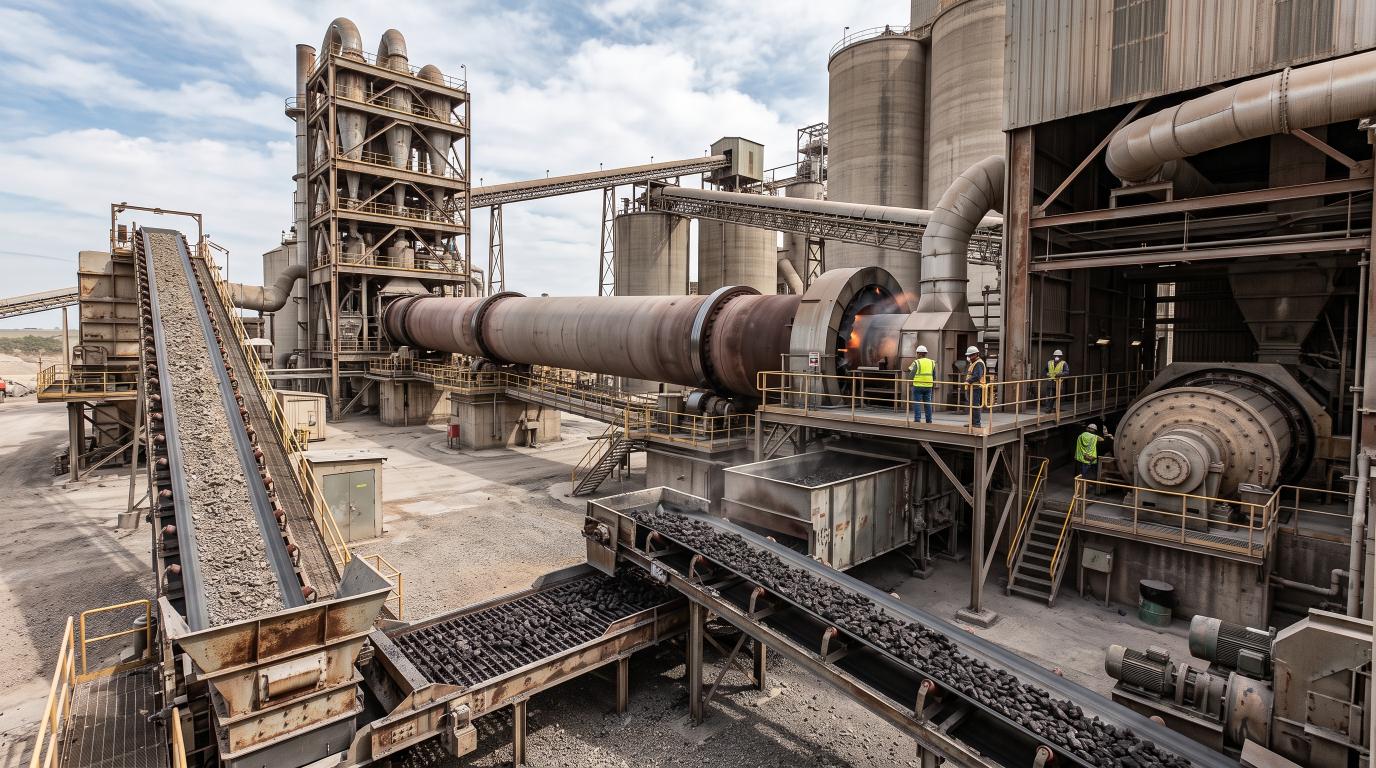
Cement starts with raw materials that provide calcium, silica, aluminum, iron, and other needed compounds. Limestone is an important source of calcium, while clay, shale, and other materials may provide additional components.
These materials are processed and heated at very high temperatures to form hard pieces called clinkers. The clinker is then cooled and ground into a very fine powder along with other materials. The finished cement is then used in concrete and other cement-based materials.
How Cement Is Used
Cement is mainly used when another construction material needs a binder. Its ability to react with water and harden allows it to hold sand, stone, and other particles together.
Common uses include:
- Making concrete
- Producing mortar for masonry
- Making grout
- Creating certain repair materials
- Some soil stabilization uses
Although all these materials can contain cement, they are not the same material. Their ingredients, proportions, consistency, and purpose can be very different.
What Is Concrete?
Concrete is a complete construction material made by combining cement with water and aggregates. It begins as a workable mixture that can be transported, placed, shaped, and finished.
Chemical reactions then cause the mixture to set and become harder over time. Because its properties can be adjusted for different projects, concrete is widely used for both structural work and finished surfaces.
Fresh Concrete and Hardened Concrete
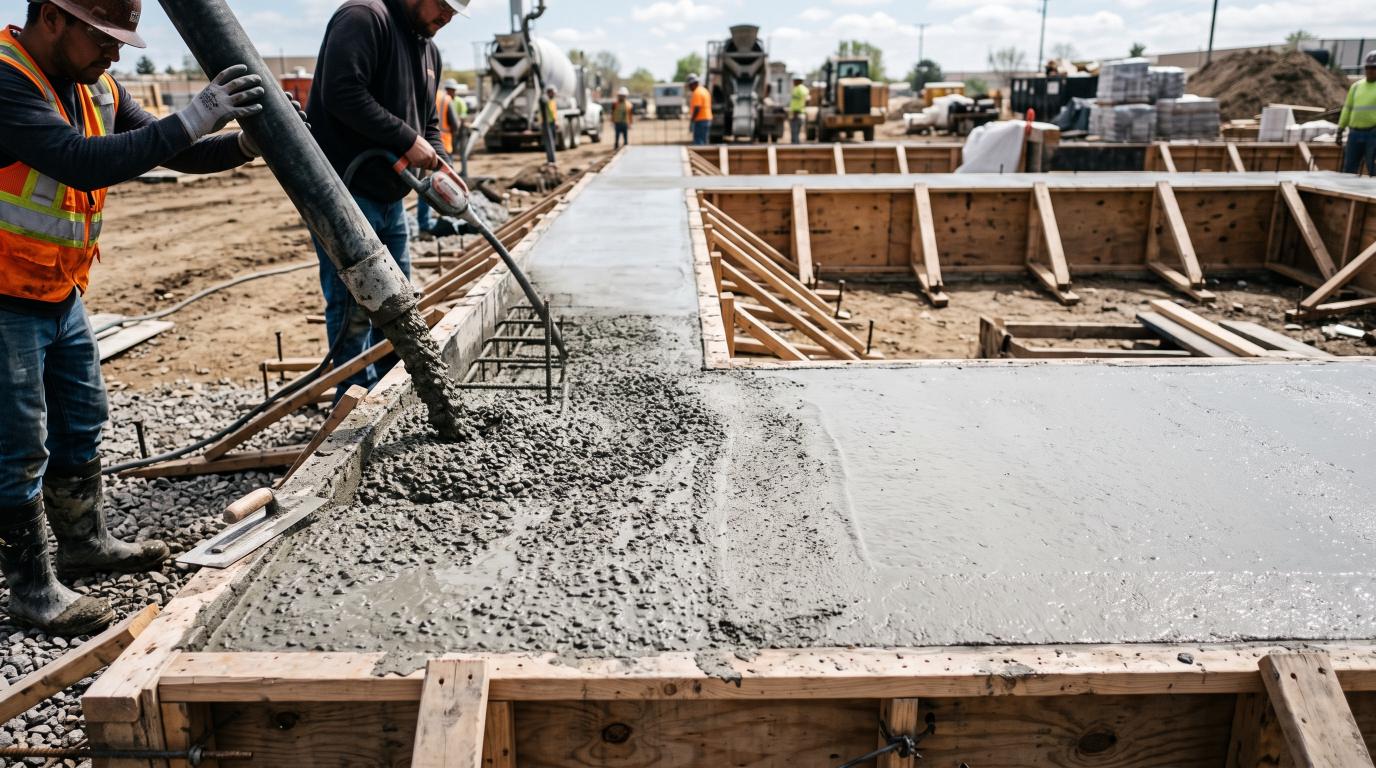
Fresh concrete is usually a thick, workable mixture. Depending on the project and mix design, it can be poured into forms, placed as pavement, or used to create slabs and structural elements.
An overview of concrete as a construction material explains how its materials and properties influence performance. Once properly placed and cured, concrete becomes a hard, stone-like material able to serve many construction needs.
What Is Concrete Made Of?
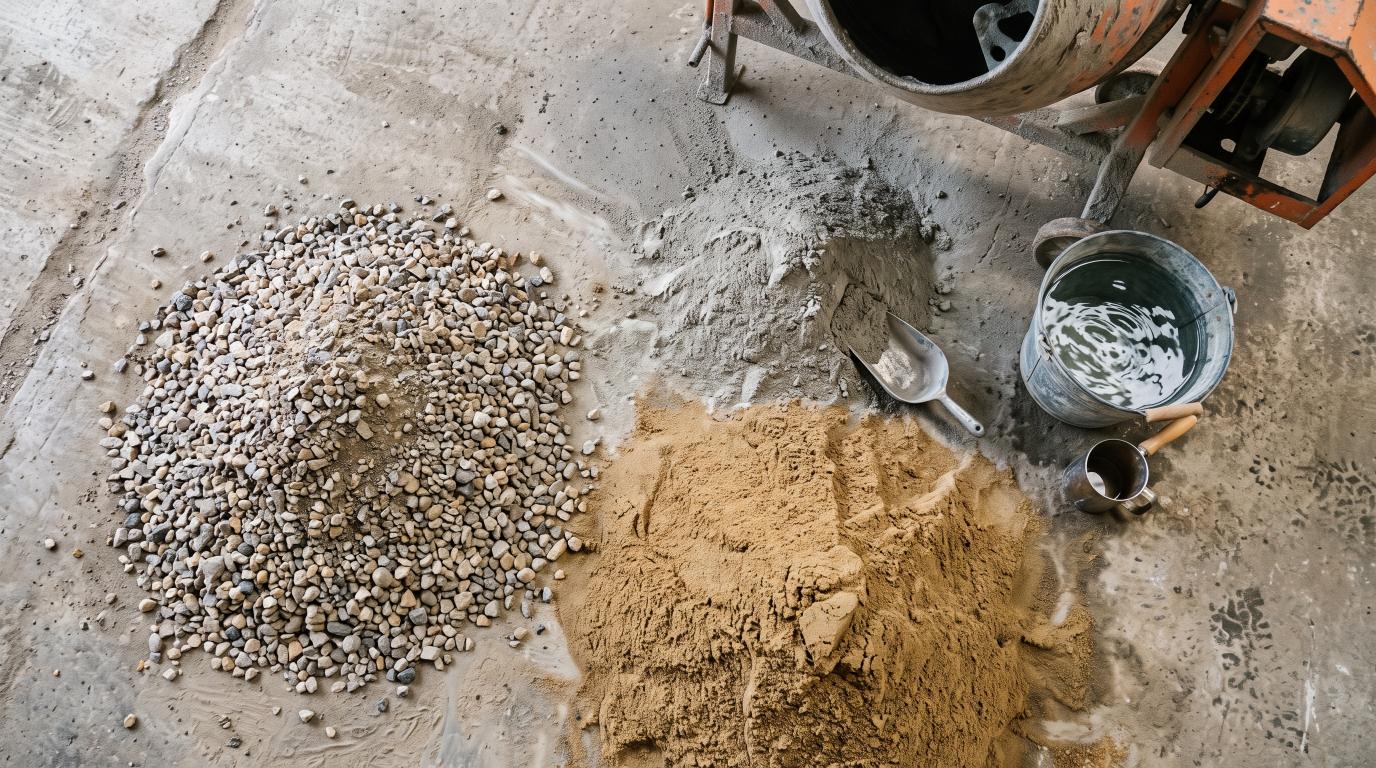
Traditional concrete contains cement, water, fine aggregate, and coarse aggregate. Fine aggregate usually means sand, while coarse aggregate may include gravel or crushed stone. When cement and water combine, they create a paste that coats the aggregate particles.
As this paste hardens, it binds the mixture into one solid mass. Some concrete mixes also contain admixtures or other cementitious materials. These may be used to change workability, setting time, air content, water demand, strength development, or durability.
Why Are Aggregates Added to Concrete?
Aggregates are not simply filler. They form a large part of most concrete mixtures and help create the solid framework of the finished material. Sand fills smaller spaces, while larger stone provides much of the volume and structure.
Cement paste surrounds these particles and binds them together. The amount and type of aggregate can affect workability, strength, shrinkage, surface texture, and other properties. This is why a concrete mix should be designed according to the needs and conditions of the project.
Cement vs. Concrete: What Is the Difference?
Cement and concrete differ in their composition, purpose, form, and use. Cement mainly works as a binder, while concrete is the finished construction material used for surfaces and structures. The table below shows the main differences clearly.
|
Feature |
Cement |
Concrete |
|
What it is |
A binding material used as an ingredient |
A complete construction material |
|
Basic form |
Fine powder before mixing |
Fresh workable mixture that hardens |
|
Main ingredients |
Processed materials containing compounds of calcium, silicon, aluminum, and iron |
Cement, water, sand, gravel or crushed stone, and sometimes admixtures |
|
Main purpose |
Binds other materials together |
Forms finished surfaces and structural elements |
|
How it works |
Reacts with water to form a binding paste |
Uses hardened cement paste to hold aggregates together |
|
Strength role |
Provides binding action inside a mixture |
Designed to meet strength and durability requirements |
|
Common uses |
Concrete, mortar, grout, and some repair materials | Sidewalks, slabs, foundations, roads, and pavement |
| Finished construction use | Usually not used alone for large surfaces or structures |
Commonly used as the finished construction material |
|
Appearance |
Fine gray powder before mixing | Thick mixture when fresh and stone-like after curing |
| Curing and hardening | Reacts chemically with water |
Gains strength as the cement inside the mixture hydrates and the concrete cures |
|
Aggregate content |
Does not contain the full aggregate system used in concrete |
Contains fine and coarse aggregates such as sand, gravel, or crushed stone |
|
Main takeaway |
Cement is one ingredient |
Concrete is the complete material |
Research into cohesion in hardened cement-based materials helps explain how cement-based materials develop their hardened internal structure.
How Does Cement Become Concrete?
Cement does not become concrete simply by adding water. Concrete is produced when cement, water, fine aggregate, coarse aggregate, and any needed additional materials are combined in suitable proportions.
After mixing, cement reacts with water and gradually binds the aggregates together. Proper placement and curing then allow the concrete to develop the properties needed for the project.
Mixing Cement, Water, and Aggregates
Concrete production starts with measuring the required materials according to the mix design. Cement, water, sand, and coarse aggregate are mixed until they are distributed throughout the batch. The fresh mixture needs suitable workability so it can be transported, placed, consolidated, and finished correctly.
However, workability does not mean adding unlimited water. The balance between water, cementitious materials, and aggregates affects the properties of the concrete after it hardens.
What Happens During Hydration?
Hydration begins when water comes into contact with cement. A series of chemical reactions starts, and new compounds form within the cement paste. These compounds gradually connect and create a hardened structure around the aggregate particles.
The result is a solid mass rather than loose sand and stone. Research discussing cement hydration and hardening helps explain why water is part of the chemical process instead of simply being something that needs to evaporate.
How Concrete Cures and Gains Strength
Concrete does not harden only because it dries. Curing helps maintain moisture and temperature conditions that allow hydration and strength development to continue. If newly placed concrete loses moisture too quickly, the reaction between cement and water can be affected. Proper curing therefore plays an important part in developing a durable finished material.
Concrete strength is often measured at 28 days as a standard reference point, but concrete can continue gaining strength after that period. The rate depends on the materials, mix, temperature, moisture conditions, and curing method.
When Is Cement Used and When Is Concrete Used?
Cement is used mainly as an ingredient when another material needs binding properties. It can become part of concrete, mortar, grout, repair materials, and other cement-based materials. The exact mixture depends on its purpose and the materials involved.
Concrete is used when a project needs a finished surface or structural material. Common examples include foundations, sidewalks, patios, slabs, pavement, curbs, roads, loading areas, and other constructed elements. The concrete used for one type of construction may not be the same as the mix used for another.
A commercial slab, sidewalk, pavement section, and structural foundation can have different strength, exposure, finishing, and placement requirements. Knowing the difference helps project owners discuss the actual material needed instead of referring to every gray construction material as cement.
Choosing the Right Material for a Concrete Project
The main difference comes down to what the material needs to do. If a project involves a slab, foundation, sidewalk, pavement, or similar finished surface, concrete is generally the material being used. If a material needs to bond masonry units, fill spaces, or become part of a repair system, mortar, grout, or another cement-based material may be used instead.
Cement itself serves as a binding ingredient within these materials. Concrete is the complete mixture used to form larger surfaces and structural elements. For commercial and infrastructure projects, material selection can also depend on design specifications, expected loads, weather exposure, reinforcement, placement conditions, and performance requirements.
Conclusion
The difference between concrete and cement comes down to the role each material plays. Cement is a fine binding material that reacts with water. Concrete is the complete construction mixture made with cement, water, sand, and larger aggregates.
Cement helps bind the ingredients together, while concrete becomes the finished material used for slabs, foundations, sidewalks, roads, pavement, and many other types of construction. Understanding the difference makes it easier to know what each material does, how concrete develops strength, and why cement and concrete should not be treated as interchangeable terms.
Get Help With Your Concrete Project
Planning a concrete project in Colorado Springs or elsewhere in Colorado? Elite Surface Infrastructure (ESI) can help with your concrete construction needs. Whether the work involves a concrete slab, pavement, site improvements, or other infrastructure needs, the right approach depends on the project conditions and requirements. Contact us to discuss your concrete project and concrete construction needs.
Frequently Asked Questions
Is Cement the Same as Concrete?
No. Cement is a binding ingredient, while concrete is a complete construction material made with cement, water, sand, and coarse aggregate.
Can Cement Be Used on Its Own?
Cement can be mixed with water to form a paste, but it is usually used as part of another material such as concrete, mortar, or grout.
Is Concrete Stronger Than Cement?
Concrete is designed as a finished construction material, while cement mainly works as a binder. Concrete strength depends on the full mix design, materials, placement, and curing.
Does Concrete Dry or Cure?
Concrete cures. Cement reacts with water during hydration, and proper curing helps that reaction continue so the concrete can develop strength.
Is Portland Cement the Same as Concrete?
No. Portland cement is a type of cement commonly used as an ingredient in concrete. Concrete also contains water and aggregates.
How Much Cement Is in Concrete?
The amount of cement varies by mix design. Cement usually makes up a smaller part of the mixture, while sand, gravel, or crushed stone make up much of the total volume.