
What Is Portland Cement? Composition, Types, Uses, and Manufacturing
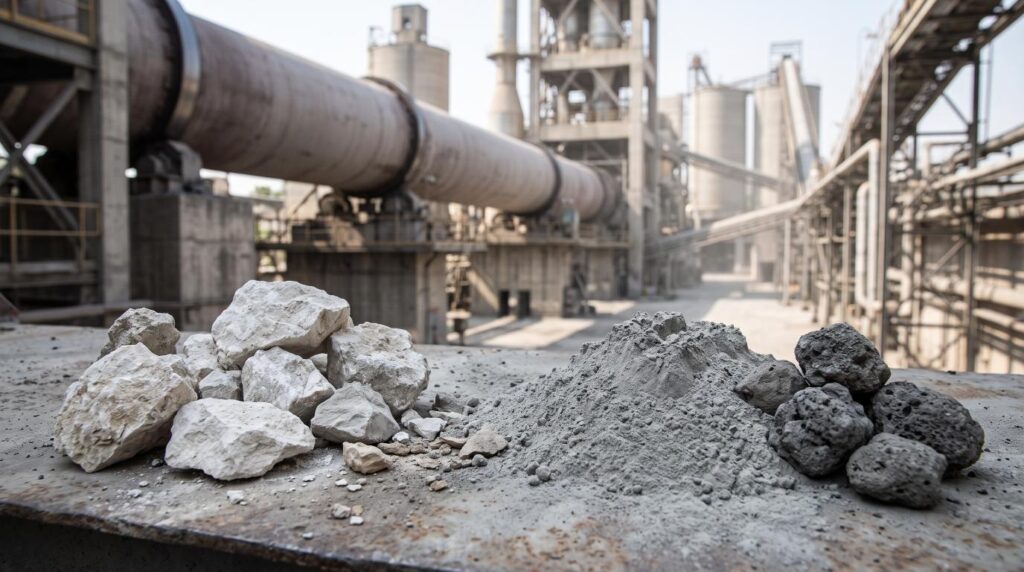
Cement is the binding ingredient that helps concrete become strong and solid. But what is Portland cement? It is a fine powder made mainly from limestone and other minerals that reacts with water to form a hard, durable material. It holds sand, gravel, and crushed stone together in concrete. Portland cement is widely used in […]
Can You Put Asphalt Over Concrete? Complete Homeowner’s Guide

Yes, asphalt can be installed over existing concrete if the surface is structurally sound, properly prepared, and adequately drained. But can you put asphalt over concrete without removing the original slab? In many cases, you can. However, an asphalt overlay will not fix severe cracking, sinking sections, or an unstable foundation. Existing concrete joints and […]
What Is Asphalt Made Of? Materials, Mix, and Uses
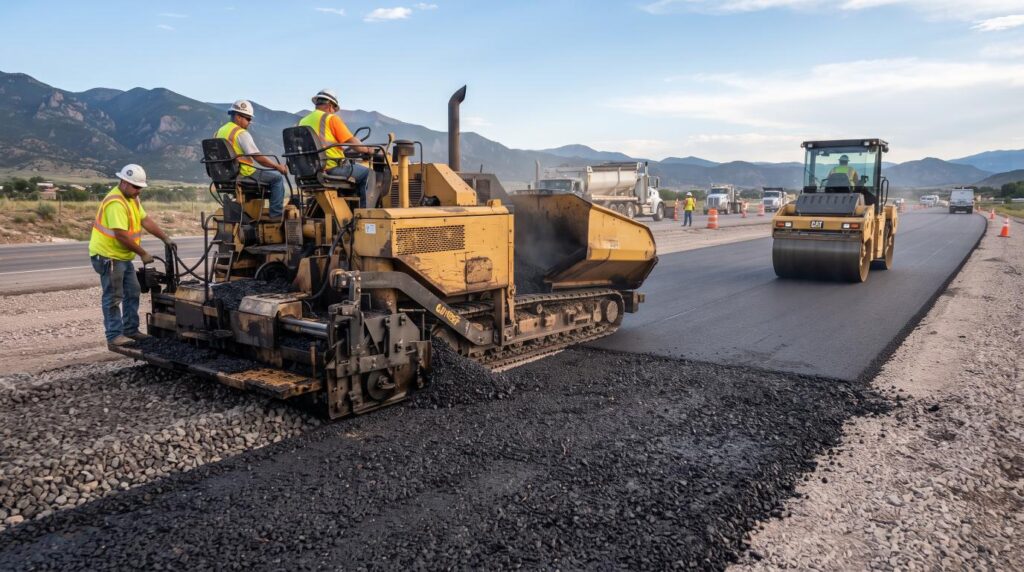
Asphalt pavement combines crushed stone, gravel, and sand with a sticky, petroleum-based binder. So, what is asphalt made of by weight? Typically, mineral aggregates account for around 90–95% of the mixture, with asphalt binder making up most of the remainder. Some mixes also contain mineral filler, performance additives, or reclaimed asphalt pavement (RAP) to improve […]
How Long for Concrete to Cure? Complete Timeline and Expert Tips

Concrete typically reaches its specified 28-day strength after about four weeks, but it becomes usable much sooner. Light foot traffic is generally possible after 24 to 48 hours, while passenger vehicles may be allowed after approximately 7 days under suitable conditions. These are general guidelines, not guarantees. The 28-day curing timeline depends on how quickly […]
How Long Does an Asphalt Driveway Last? Lifespan and Maintenance Guide

For most homeowners, the answer to “how long does an asphalt driveway last?” is 15 to 30 years, with around 20 years being a common expectation. Proper installation, good drainage, and regular maintenance can help extend its lifespan. However, untreated cracks, heavy vehicle loads, and water damage can cause premature deterioration. In Colorado Springs, CO, […]
How to Pour a Concrete Slab Step by Step
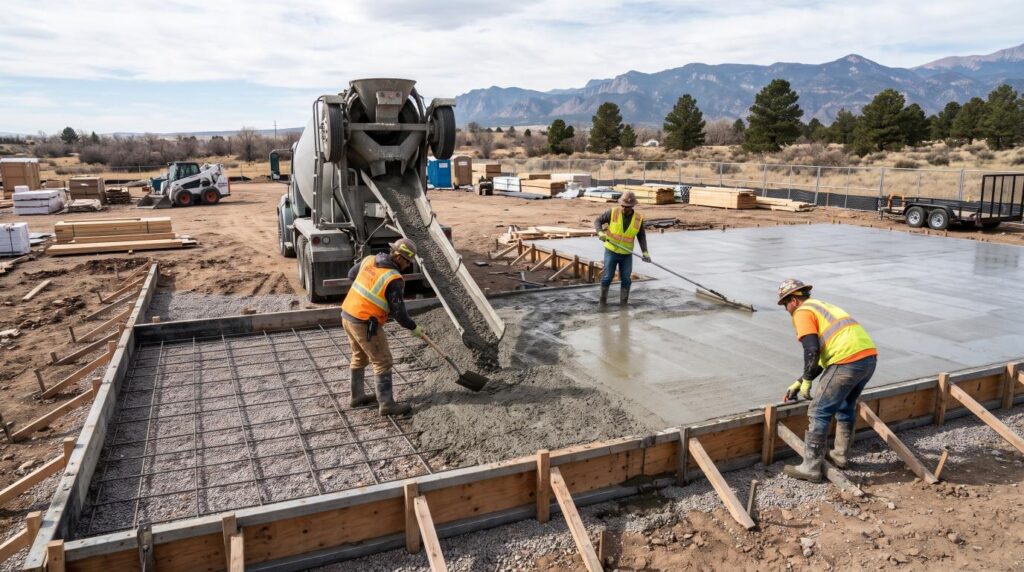
Pouring a concrete slab starts with stable ground, secure forms, and the right concrete mix. This guide explains how to pour a concrete slab by preparing the base, positioning reinforcement, placing and leveling concrete, finishing the surface, planning joints, and protecting the slab as it cures. For commercial work in Colorado Springs, slab requirements depend […]
Is Asphalt Cheaper Than Concrete? Understanding the Differences
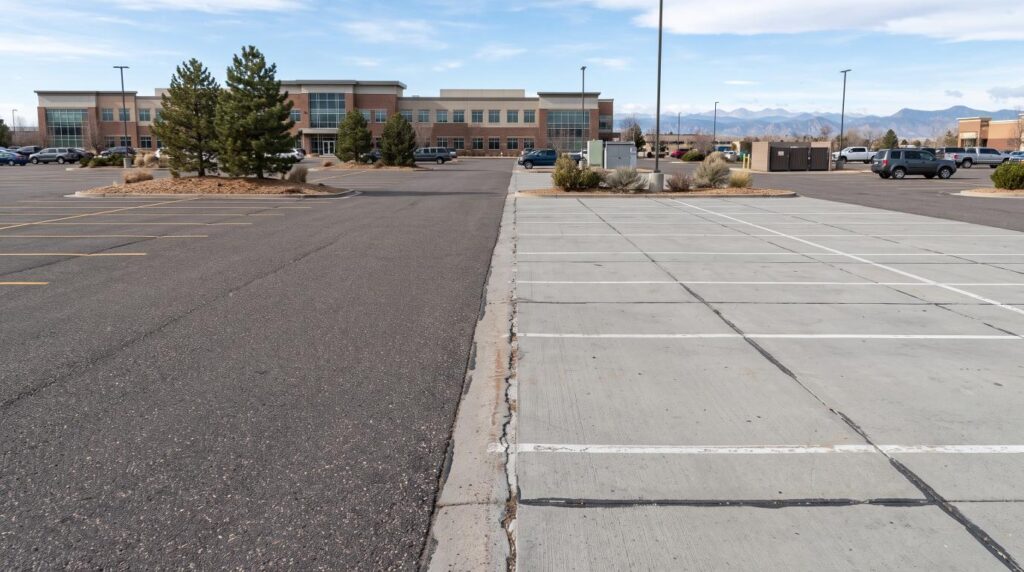
For most commercial paving projects, asphalt costs less to install than concrete. But is asphalt cheaper than concrete over the full life of a parking lot or access road? Not always. Asphalt may need more frequent surface repairs, while concrete often has a higher starting cost but may serve longer under suitable conditions. Traffic, drainage, […]
Asphalt Driveway Crack Filler: Types, Uses, and Repair Guide
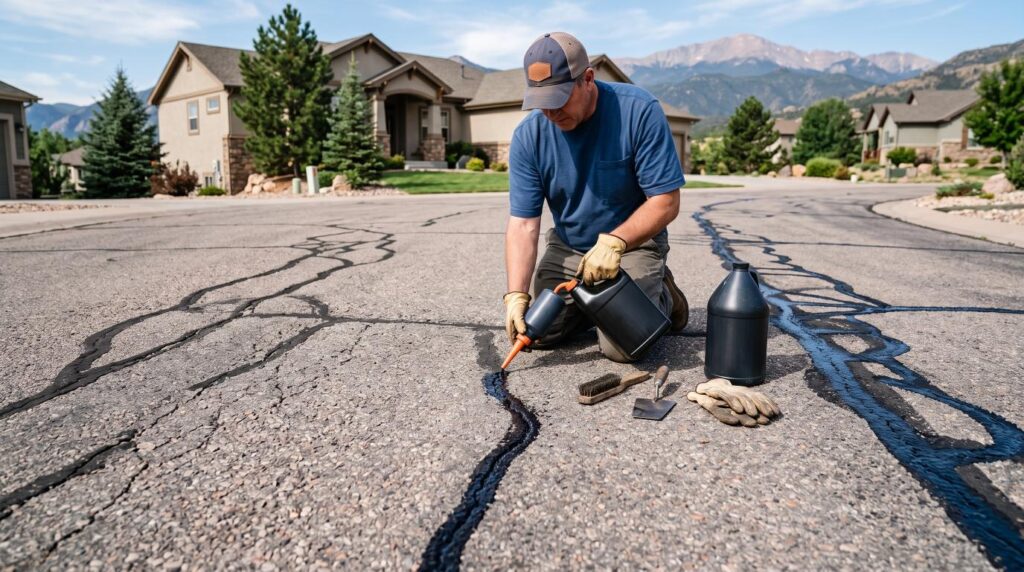
Asphalt driveway crack filler helps seal openings in pavement and reduce water intrusion that can lead to further damage. Choosing the right product depends on the crack’s width, depth, movement, and surrounding asphalt condition. Narrow cracks may need liquid filler, while wider or deeper openings may require flexible rubberized materials. Weather conditions, pavement age, and […]
Asphalt Driveway Contractors: How to Choose the Right Contractor for a Long-Lasting Driveway
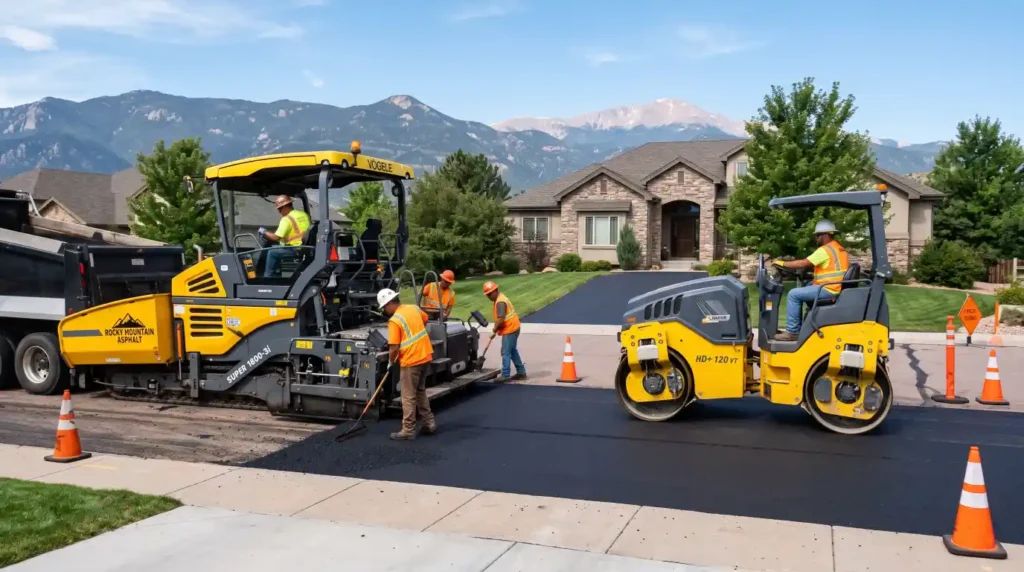
Asphalt driveway contractors work with pavement materials, base preparation, drainage, and compaction to create durable asphalt surfaces. Understanding these construction factors helps explain why some driveways last longer than others and what causes common pavement problems. In Colorado Springs, CO, temperature changes, snowfall, and freeze-thaw cycles can affect asphalt performance. Poor drainage, an unstable base, […]
How Long Before You Can Drive on Asphalt? Complete Drying and Curing Guide

How long before you can drive on asphalt depends on the type of pavement, asphalt mix, temperature, and installation conditions. Newly paved roads may reopen within hours after proper compaction and cooling, while residential driveways may have longer recommended waiting periods. Driving or parking too soon can leave tire marks, depressions, or other surface damage, […]