
How to Seal Coat a Driveway: A Complete Step-by-Step Guide
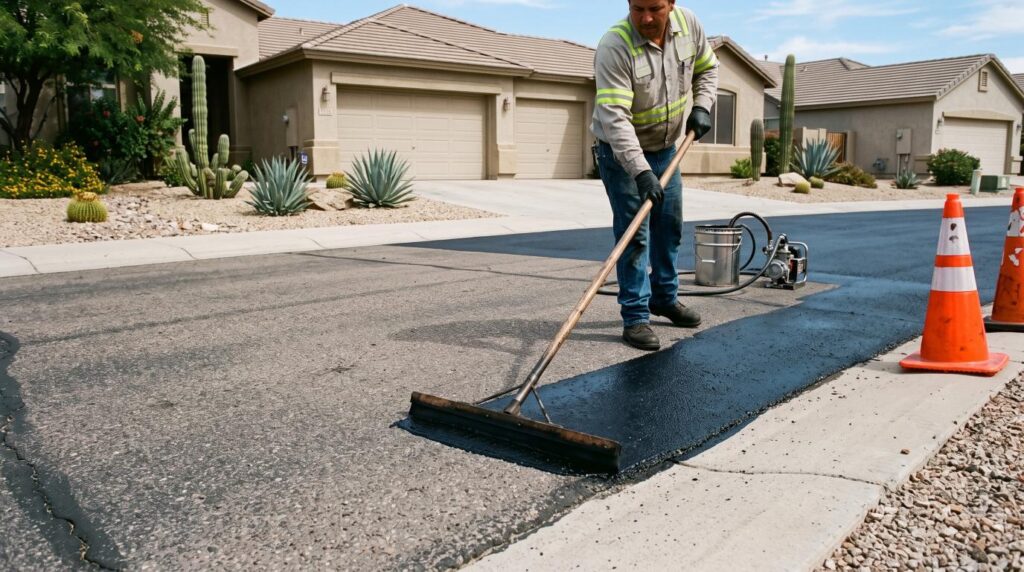
Learning how to seal coat a driveway starts with checking the asphalt surface, removing dirt and debris, repairing minor cracks, and choosing the right sealer. Proper preparation and application help create an even protective coating that reduces everyday surface wear. Weather conditions, pavement temperature, and drying time also affect the final result. Applying sealcoat over […]
How to Seal Cracks in Asphalt Driveway A Step-by-Step Guide

Learning how to seal cracks in asphalt driveway surfaces starts with removing dirt, leaves, and loose debris from the damaged area. Small cracks can often be repaired using an appropriate asphalt crack filler, while wider cracks may require additional preparation. In Colorado Springs, CO, changing temperatures, moisture, and freeze-thaw cycles can cause asphalt cracks to […]
How to Seal Cracks in Foundation Step by Step
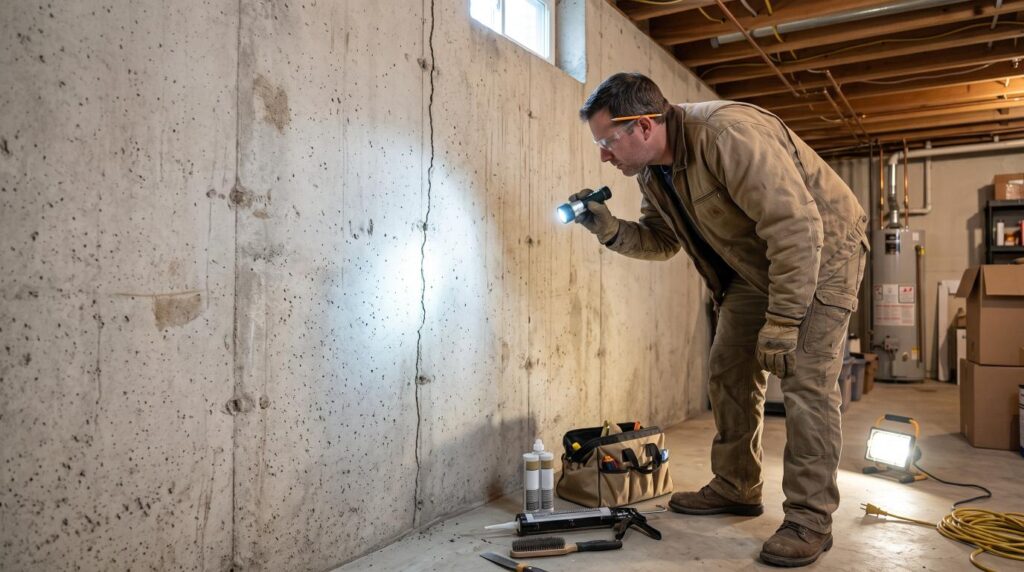
To seal a foundation crack, first identify its type, size, and moisture condition. Small, stable cracks may be sealed with flexible concrete sealant, while epoxy injection is suitable for certain concrete repairs. Polyurethane injection is commonly used for water-leaking cracks. Learning how to seal cracks in foundation walls starts with choosing the right repair method. […]
What Is Pavement? Types, Layers, Materials, and Uses
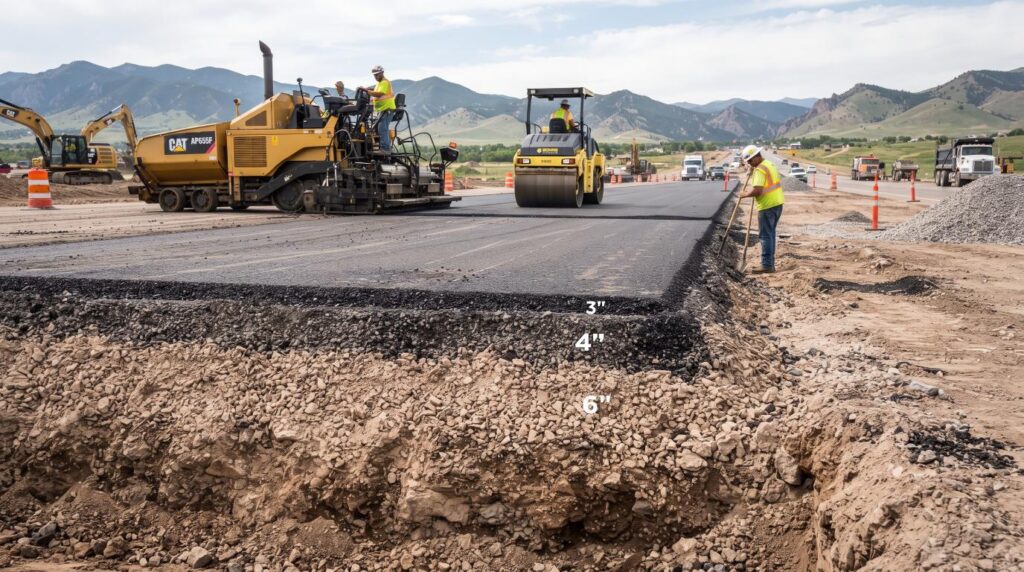
What is pavement? Pavement is an engineered surface built to support vehicles or pedestrians while spreading loads into the ground below. It is not only the asphalt or concrete visible at the surface. A pavement system can include prepared soil, aggregate layers, drainage features, and a finished surface that work together. For projects in Colorado, […]
What Is the Difference Between Concrete and Cement?
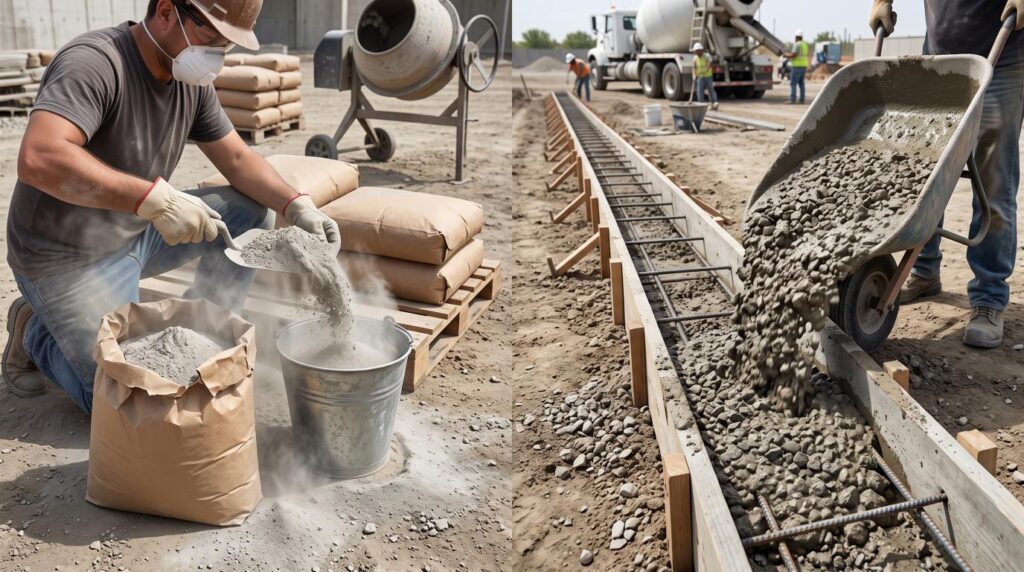
Concrete and cement are often called the same thing, but they are different materials. The main difference between concrete and cement is that cement is an ingredient used to make concrete. Concrete is the finished construction material made by combining cement, water, sand, and larger aggregates such as gravel or crushed stone. For construction projects […]
How to Set Up Construction Site Utilities Complete Guide
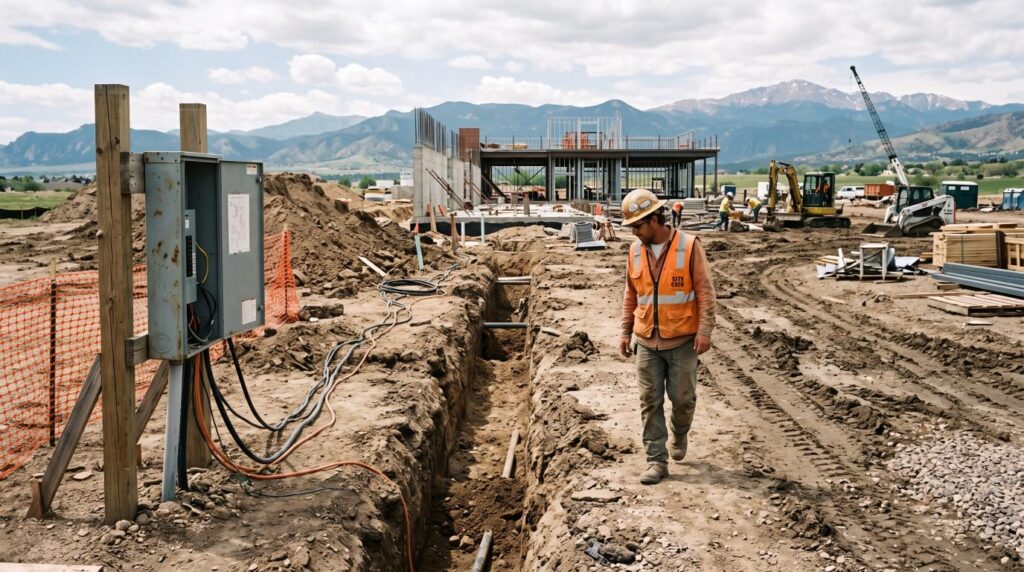
Construction site utilities provide the power, water, sanitation, drainage, lighting, and communication systems needed to keep a jobsite operating. Planning construction site utilities early helps crews work safely, keeps equipment running, and reduces delays caused by missing or poorly placed connections. For projects in Colorado Springs, CO, utility planning also needs to consider local service […]
How to Fix Cracks in Concrete A Step-by-Step DIY Repair Guide
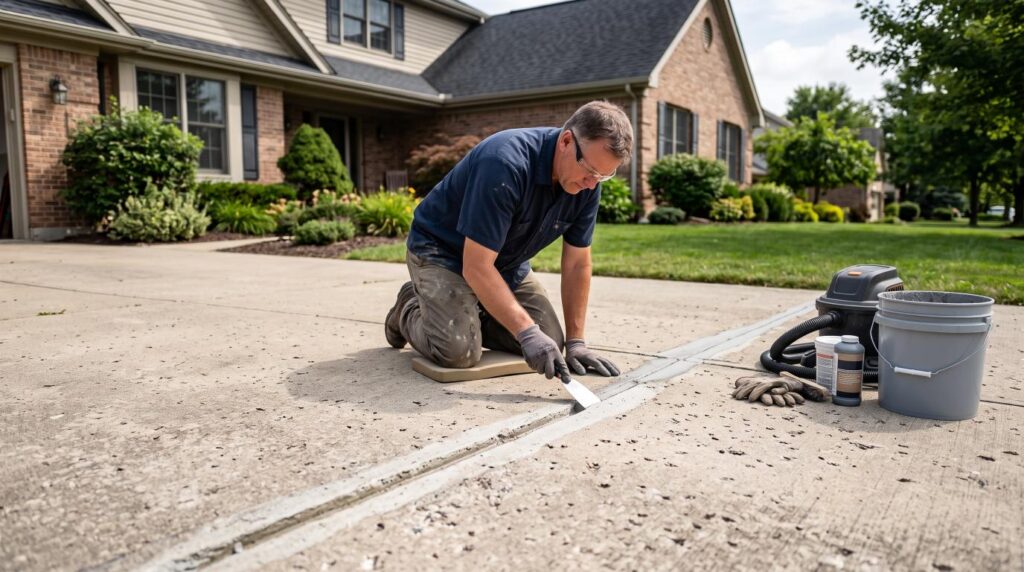
Concrete cracks can usually be fixed by removing dirt and loose concrete, choosing a filler suited to the crack’s width and movement, applying it evenly, and allowing the repair to cure fully. Flexible crack filler works well for small, nonstructural cracks, while wider or deeper cracks may require backer rod, patching compound, polyurethane, or epoxy. […]
What Does Construction Management Include? Complete Guide

Construction management includes planning, budgeting, scheduling, coordinating contractors, managing materials, overseeing safety, controlling quality, handling permits, managing risk, and communicating with clients from the very first idea through the final handover of the finished project. It touches nearly every part of a build, not just the parts that happen on the job site. A construction […]